



Subtle gradients look stepped when the screen, signal, or file cannot show enough in-between tones. The result is banding: visible stripes where your eye expected a clean, continuous fade.
The Core Problem: Not Enough Tone Steps
A gradient is supposed to move smoothly from one color or brightness value to another, but every display has to break that fade into digital increments. When those increments are too coarse, your monitor reveals the stair steps.
This shows up most in skies, shadows, game fog, UI backgrounds, and dark cinematic scenes. A smooth gray-to-black fade is especially unforgiving because tiny luminance jumps are easier to spot across a large, quiet area.

Bit depth matters here. An 8-bit signal can show far fewer tonal levels than a 10-bit workflow, so subtle transitions have less room to breathe. That is why color-critical monitor guidance often points to 10-bit support for subtle gradients, even though calibration and panel quality still matter.
Your Monitor Can Amplify Banding
A display does more than show pixels. It interprets them through its panel, gamma curve, color mode, internal processing, and factory tuning.
If gamma is off, midtones may bunch together instead of spreading evenly. If the monitor’s grayscale tracking is weak, neutral fades can pick up unwanted tint shifts. If a wide-gamut display lacks a good sRGB mode, normal web content can look oversaturated or uneven instead of accurate.
Research on display color behavior also shows that hardware and visualization choices are not neutral; different displays and color mappings can affect how people judge image intensity and detail in pseudocolor images. For gaming, design, and productivity, the same principle applies: the screen pipeline shapes what you perceive.
A value-oriented upgrade is not always the brightest panel. Look for strong factory calibration, stable gamma, a useful sRGB mode, good uniformity, and 10-bit support where your graphics card, cable, operating system, and app can actually use it.
File Compression and Software Can Make It Worse
Sometimes the display is only exposing a problem already baked into the content. Low-bitrate video, heavy image compression, limited palettes, and exported gradients with too few intermediate values can all create visible bands.
Design tools can also produce gradients that are mathematically correct but visually abrupt. A straight linear blend may move too quickly through the tones your eye notices most. Adding intermediate color stops can help, especially when a simple black-to-white or transparent fade feels harsh.

CSS gradients can even be intentionally made hard-edged by placing color stops at the same position; a normal linear-gradient() becomes a sharp transition when adjacent stops share a percentage in color-stop placement. That same control, used carefully, can also smooth a difficult fade by adding better-spaced stops.
Quick Fixes That Usually Work
Try these before replacing the monitor:
- Enable the monitor’s most accurate sRGB or standard mode.
- Use 10-bit output if your graphics card, cable, app, and display support it.
- Avoid low-bitrate wallpapers, streams, and compressed exports.
- Add subtle noise or dithering to large flat gradients.
- Use extra color stops in dark or slow tonal transitions.

For creators, build gradients with intent: two or three clean colors, enough tonal spacing, and no huge low-contrast fade stretched across the whole canvas. Gradient tools that use editable points and browser-based blending, such as mesh gradients, can create smoother, more organic transitions than a basic two-stop fade.
A sharper display can make banding more visible because it reveals artifacts that a softer or lower-contrast screen may hide.
What to Look For in Your Next Display
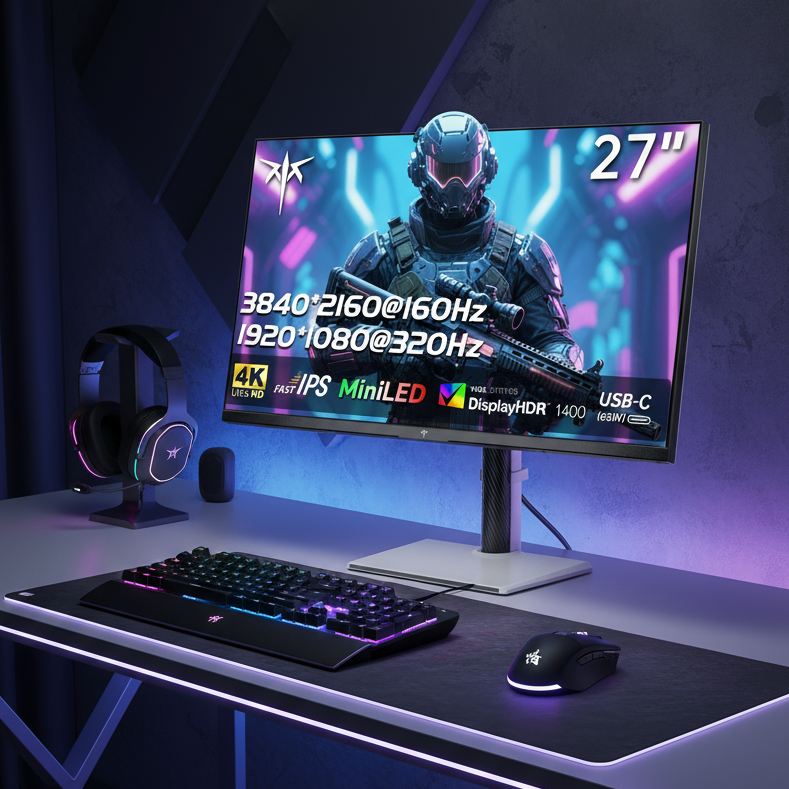
For competitive gaming, choose motion clarity first, but do not ignore color handling. A fast panel with poor gamma can make dark gradients in games look blocky, especially in shadow-heavy titles.
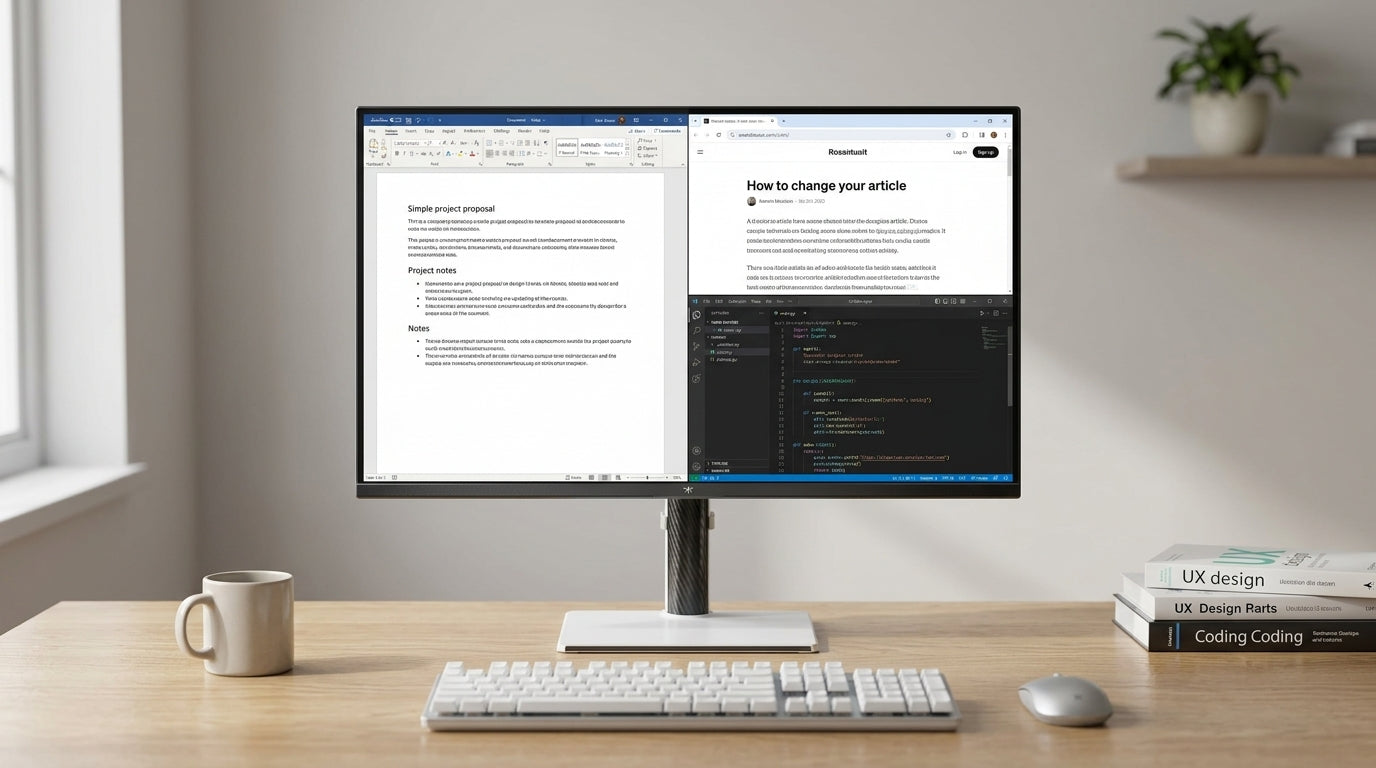
For office productivity and creative work, prioritize accurate grayscale, stable viewing angles, and a usable brightness range. Large monitors and ultrawides make uniformity issues more obvious because your eyes view the edges from an angle.

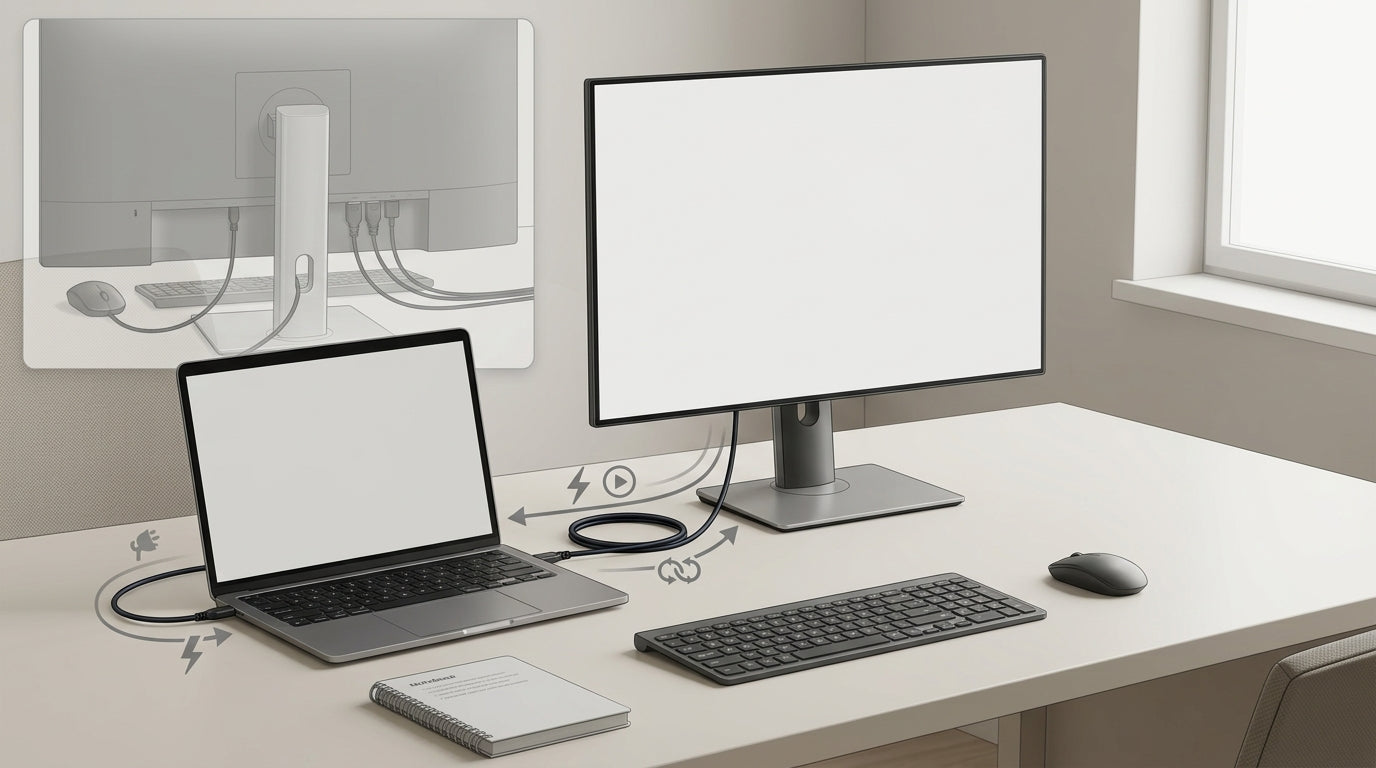
For portable screens, focus on full-sRGB IPS or OLED quality, matte glare control, USB-C simplicity, and enough brightness for mixed lighting. The best screen is not just vivid; it preserves the quiet transitions that make images feel immersive, polished, and trustworthy.