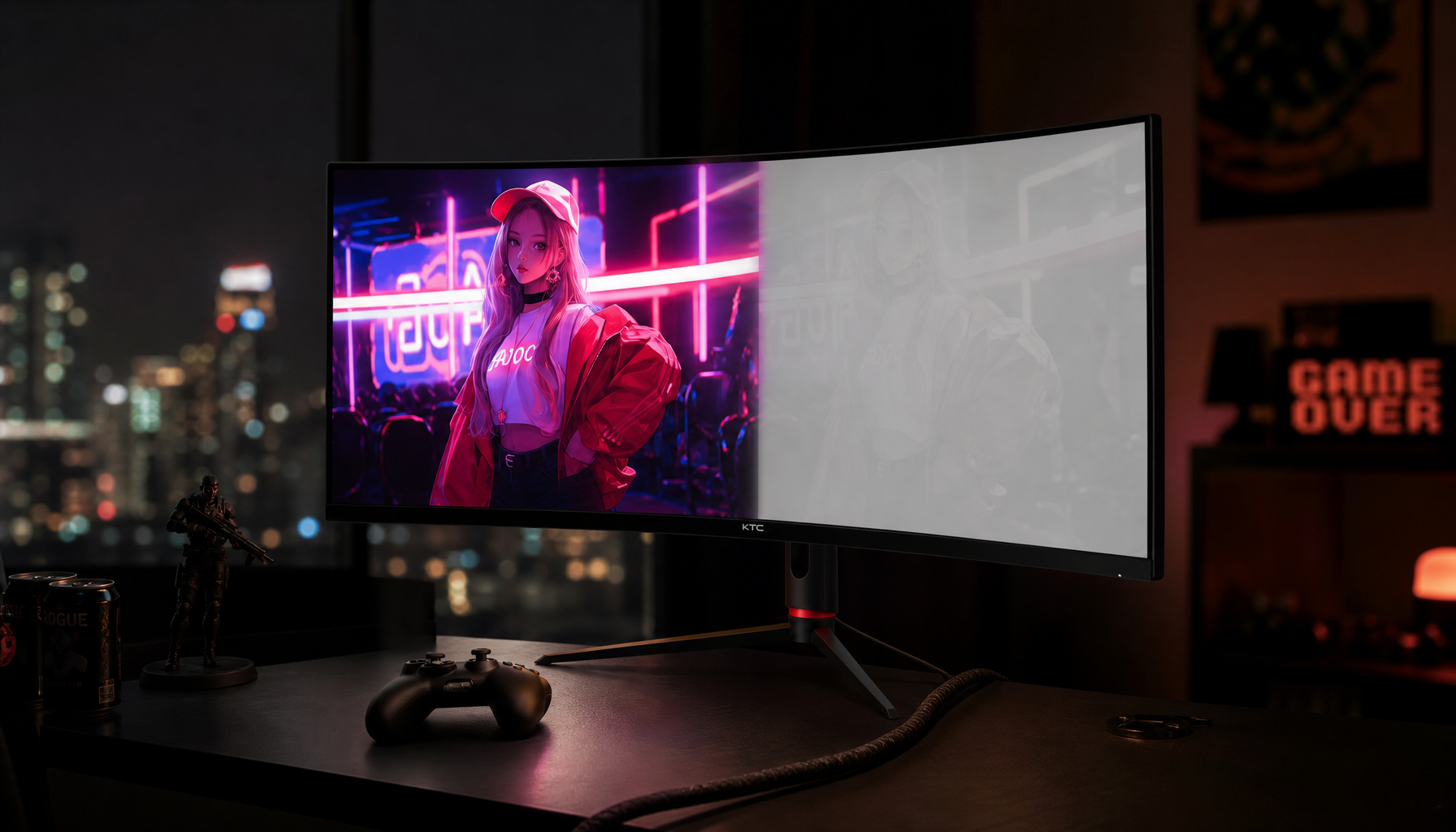
Zone transition speed shapes how naturally a local dimming display moves brightness between backlight zones, especially in dark scenes with small bright objects. Slow transitions can leave glow trails, while abrupt transitions can make highlights pulse or snap.
Why Zone Transitions Matter
Local dimming divides the backlight into controllable zones, then brightens or dims each zone based on the image. On Mini LED monitors, this helps HDR highlights look punchier while keeping dark scenes deeper than on a standard edge-lit LCD.
The challenge is motion. A bright cursor, subtitle, game HUD, or spaceship crossing a dark background forces neighboring zones to react in sequence. If the dimming algorithm cannot shift brightness smoothly, your eyes may read the result as flicker, moving halos, or brightness pumping.

That is why local dimming quality is not just about zone count. A display with many zones can still feel distracting if its zone response timing is poorly tuned.
Fast vs. Slow: The Smoothness Trade-Off
A fast zone transition can make HDR action feel crisp. Explosions, muzzle flashes, and specular highlights appear where they should without lingering light behind them.
Faster is not always better. If brightness changes too aggressively, zone edges may become visible, especially in dark scenes with small bright objects. This can look like stepping, flashing, or a hard block of light chasing the object.
Slower transitions soften that behavior. They can make the backlight feel more organic and less jumpy, but they also increase persistence: bright zones may stay lit after the object moves, creating a faint glow trail.

For competitive gaming, faster transitions usually feel more responsive. For movies and long work sessions, slightly damped transitions can look calmer, especially when reading white text on a dark background.
What You Actually Notice on Screen
Most users do not perceive zone transition speed as a spec-sheet number. They notice side effects: blooming trails that follow bright objects across dark areas, subtle brightness pumping across the image, subtitle halos that trigger rectangular backlight changes, HUD shimmer during camera movement, and cursor glow that lights up nearby dark zones.

These effects become easier to see in high-contrast scenes such as star fields, loading screens, dark game menus, night driving footage, or spreadsheets in dark mode with white grid lines.
Monitor settings can also shift the balance. Some Mini LED displays offer local dimming strength controls, and HDR monitor settings often change how aggressively the backlight reacts.
How to Tune for Gaming, Work, and HDR
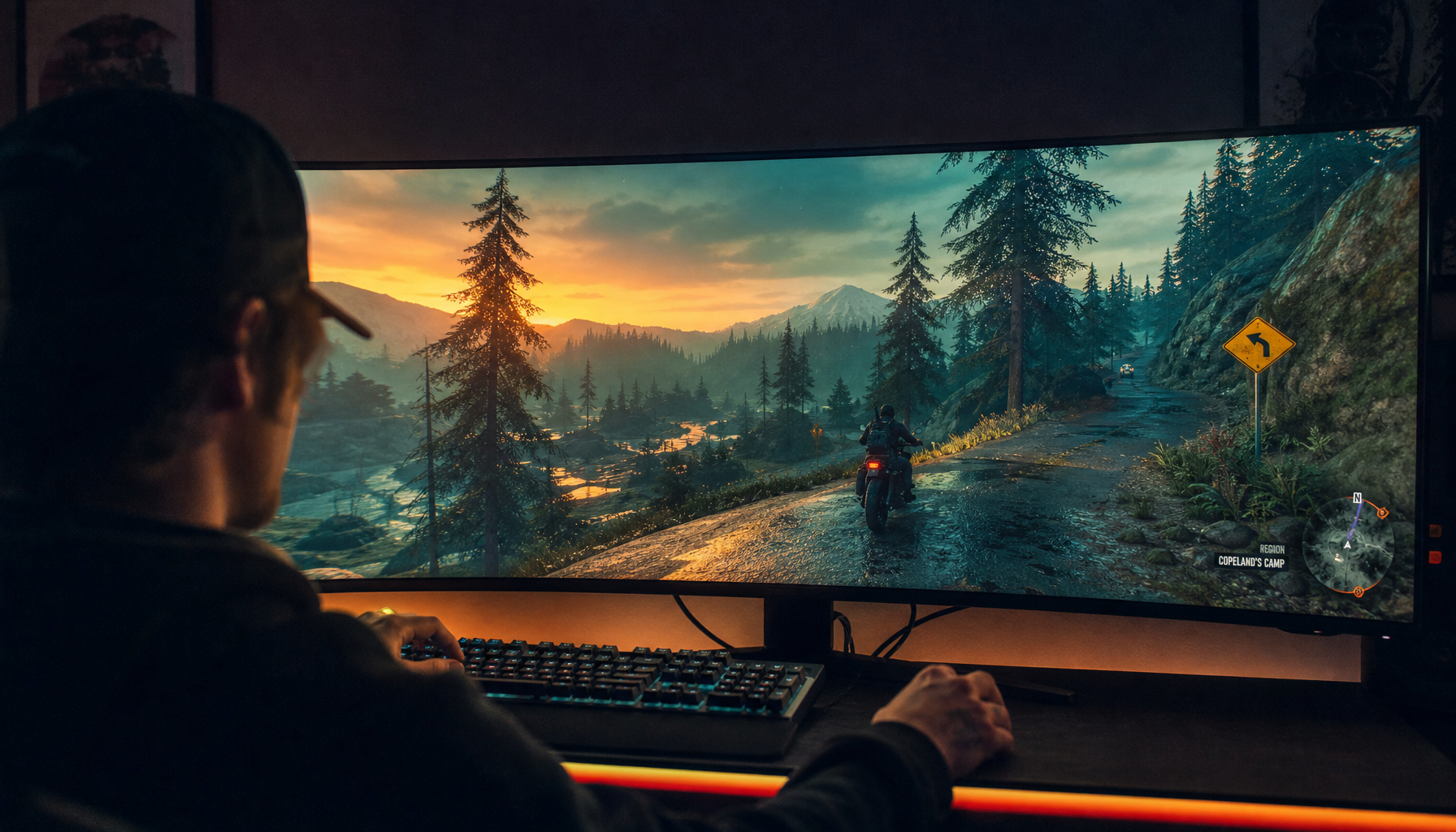
For fast shooters or racing games, start with a higher local dimming setting. The goal is to keep highlights locked to motion so the screen feels immediate and responsive.
For productivity, try medium or low local dimming if your display allows it. Large white windows, moving cursors, and document scrolling can expose backlight shifts more than games do.
For HDR movies, use the mode that preserves contrast without making subtitles flare. If subtitles cause obvious halos, reducing local dimming strength may be more comfortable than chasing maximum black depth.
A practical setup path:
- Test a dark scene with one bright moving object.
- Watch for glow trails and sudden brightness jumps.
- Compare low, medium, and high local dimming modes.
- Pick the mode that distracts you least at your normal brightness.
- Recheck in both HDR games and desktop work.

There is no universal best transition speed because panel response, zone count, brightness target, and the dimming algorithm all interact.
The Bottom Line
Zone transition speed is the hidden pacing system behind local dimming smoothness. It decides whether HDR movement feels fluid, delayed, or artificially punchy.
For buyers, peak brightness and zone count are not enough on their own. The best gaming and productivity monitors combine enough zones with well-controlled transitions, so contrast improves without pulling attention away from the content.