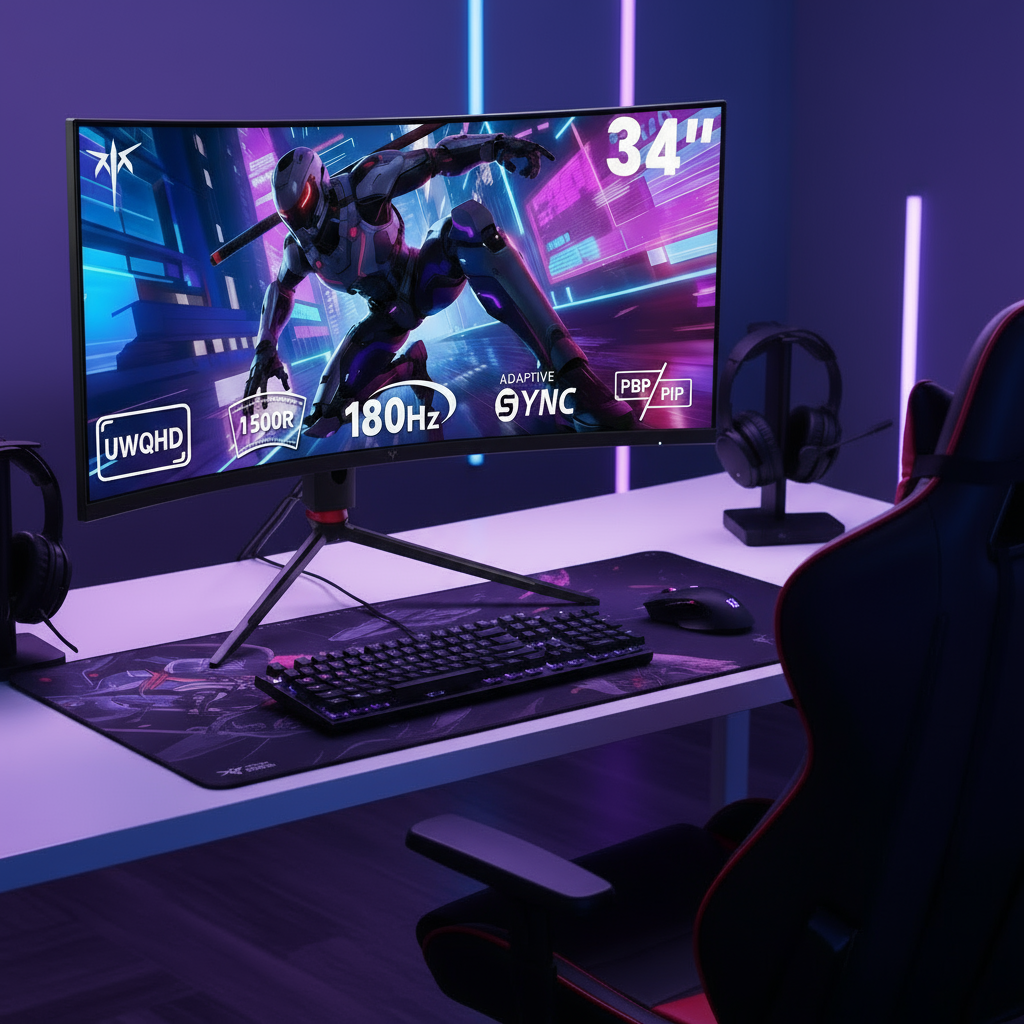


In 2026, a sub-$200 gaming monitor can deliver 180 Hz refresh rates and even 1440p resolution, making high-refresh competitive play accessible without premium pricing. Buyers no longer need to accept 144 Hz as the entry point, but they must still verify real motion performance rather than marketing numbers.

What Does a Sub-$200 Gaming Monitor Deliver in 2026?
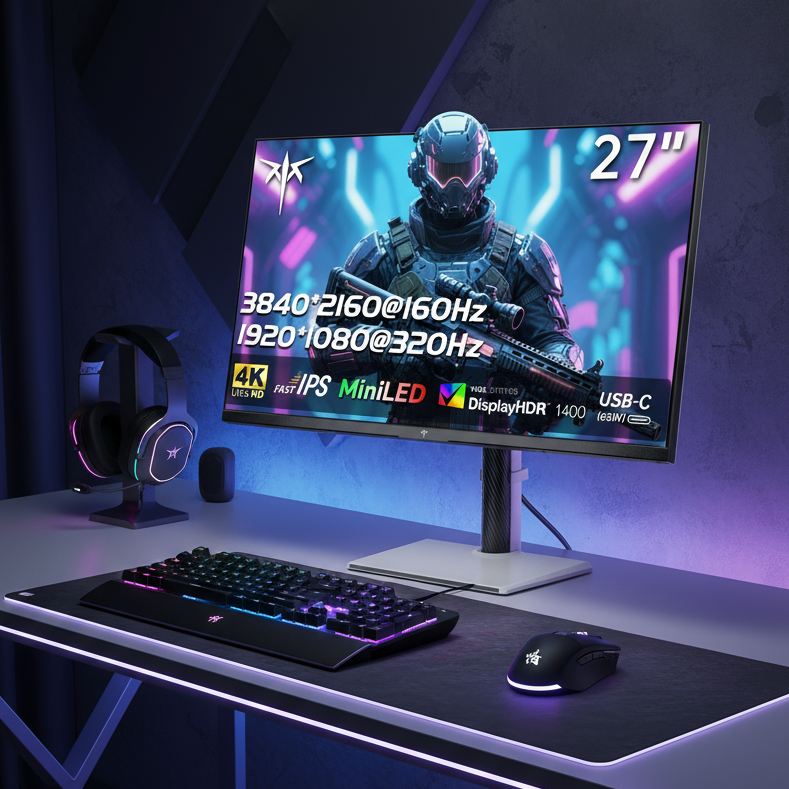
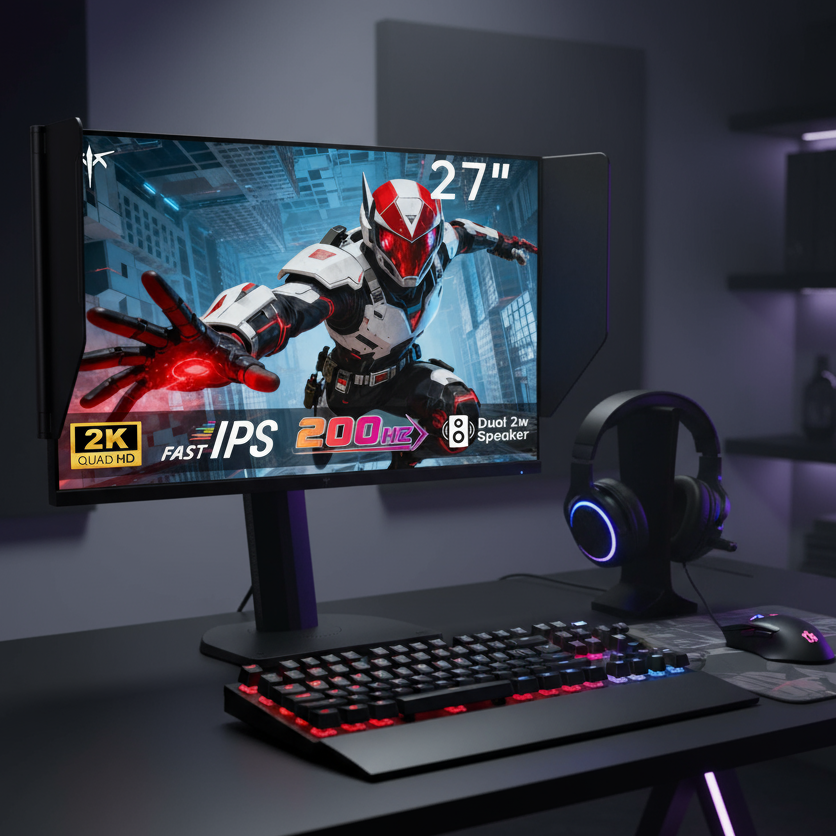
The sub-$200 segment now centers on 180 Hz Fast IPS panels as the practical baseline for smooth gameplay. Many models also bring 1440p resolution into reach, giving buyers sharper text and more immersive open-world detail than older 1080p options. This shift reflects broader panel production improvements that have lowered costs for higher-spec hardware.
Direct-to-consumer brands such as KTC achieve this through streamlined manufacturing that avoids traditional retail markups. The result is stronger value when shoppers compare raw specifications like refresh rate, response time, and Adaptive-Sync support against similarly priced legacy-brand units.
Resolution vs. Refresh Rate: Finding the Sweet Spot for Your GPU
Choosing between 1080p and 1440p at this price depends on your graphics card and primary games. A 1440p panel supplies roughly 77 percent more pixels than 1080p, which improves desktop productivity and cinematic detail yet demands significantly more GPU power to maintain high frame rates.
Competitive FPS players often prefer 1080p 240 Hz or 280 Hz models because lower resolution reduces system latency and keeps frame delivery consistent. Players focused on story-driven or mixed-use setups usually gain more from 1440p 180–200 Hz panels once their GPU can sustain the workload.
1080p vs 1440p Trade-offs at Sub-$200 Prices
Tier comparison of GPU demand, motion clarity, and desktop utility for common budget choices.
Show comparison table
| Metric | 1080p Esports | 1440p All-Rounder |
|---|---|---|
| GPU Burden (lower = easier) | Low (3/10) | High (8/10) |
| Motion Clarity (ClearMR Tier) | High (ClearMR 7000+) | Medium-High (ClearMR 3000-5000) |
| Desktop PPI Utility | Moderate | High |
Higher frame rates still reduce input latency even when they exceed the monitor refresh rate, according to Blur Busters testing. This benefit favors 1080p esports builds paired with strong GPUs.
Decoding the '1ms' Myth: How to Spot Real Speed
Manufacturer 1 ms GtG claims represent a single best-case color transition rather than average panel behavior. Many budget panels only reach that figure using aggressive “Extreme” overdrive settings that introduce inverse ghosting and overshoot.
VESA ClearMR certification offers a more reliable indicator by measuring the ratio of clear to blurry pixels during motion. Shoppers should look for ClearMR 7000-class panels when competitive tracking matters and treat uncertified 1 ms labels with caution.
IPS vs. VA: Speed, Contrast, and the 'Black Smearing' Factor
Fast IPS panels dominate the sub-$200 tier because they deliver consistent color, wide viewing angles, and minimal dark-level smearing. VA panels provide higher native contrast that can look deeper in dark scenes, yet they often exhibit noticeable smearing during fast motion at this price level.
Esports and fast-paced competitive titles generally favor IPS for clearer target tracking. Players who prioritize cinematic contrast in slower-paced games may accept VA smearing if the monitor includes strong Adaptive-Sync implementation to reduce tearing.
The 2026 Budget Shortlist: Top KTC Picks for Every Gamer
KTC models illustrate how direct manufacturing keeps performance high while prices stay low. The H25T7 serves as an entry-level 24.5-inch 1080p 180 Hz Fast IPS option suited to compact desks and first gaming builds.
The H27T22C-3 targets mixed-use buyers with 27-inch 1440p 200 Hz performance and overclock headroom. For pure frame-rate focus, the H27E22P delivers 27-inch 1080p 280 Hz in a flat Fast VA panel.
Each pick aligns with a distinct scenario rather than overlapping specifications, letting buyers match panel size, resolution, and refresh rate to their GPU and game library.
The Budget Gaming Checklist: Don't Buy Until You Check These 5 Things
Confirm Adaptive-Sync certification through VESA or AMD FreeSync testing to ensure tear-free gameplay across the full refresh range. Allion certification guidelines emphasize flicker-free operation and low-latency VRR performance as key quality markers.
Verify the video ports support your target resolution and refresh rate; DisplayPort 1.4 remains the most reliable path to 180 Hz at 1440p. Check whether the included stand offers tilt adjustment or if a VESA mount will be required for ergonomic positioning.
Review warranty length, return policies, and panel uniformity guarantees before purchase. Budget monitors from direct brands often include three-year coverage that offsets the lower price with added buyer protection.
Frequently Asked Questions
Is 165Hz Noticeably Better Than 144Hz Under $200?
The difference is small in most titles, but 165 Hz or 180 Hz panels have become the new standard at this price. The extra refresh headroom helps when paired with GPUs that can exceed 144 frames per second.
Should I Choose 1080p or 1440p for Competitive Gaming on a Budget?
1080p remains preferable when maximum frame rate and lowest system latency matter most. 1440p becomes worthwhile once your GPU sustains high frame rates and you value sharper desktop and cinematic detail.
Do Sub-$200 Monitors Support Console Gaming Well?
Many 1440p and 1080p models accept HDMI 2.0 signals and deliver 120 Hz or higher from current consoles. Confirm the exact supported modes listed in the product specifications before purchase.
How Important Is Adaptive-Sync on Budget Monitors?
Adaptive-Sync eliminates screen tearing without capping frame rates. Certified implementations also maintain stable brightness and low latency, making it one of the most practical features at this price point.
Can VA Panels Still Work for Fast-Paced Games Under $200?
VA panels can suit slower-paced or single-player titles where contrast benefits dark scenes. Competitive tracking often suffers from dark-level smearing, so most esports-focused buyers stay with Fast IPS options.