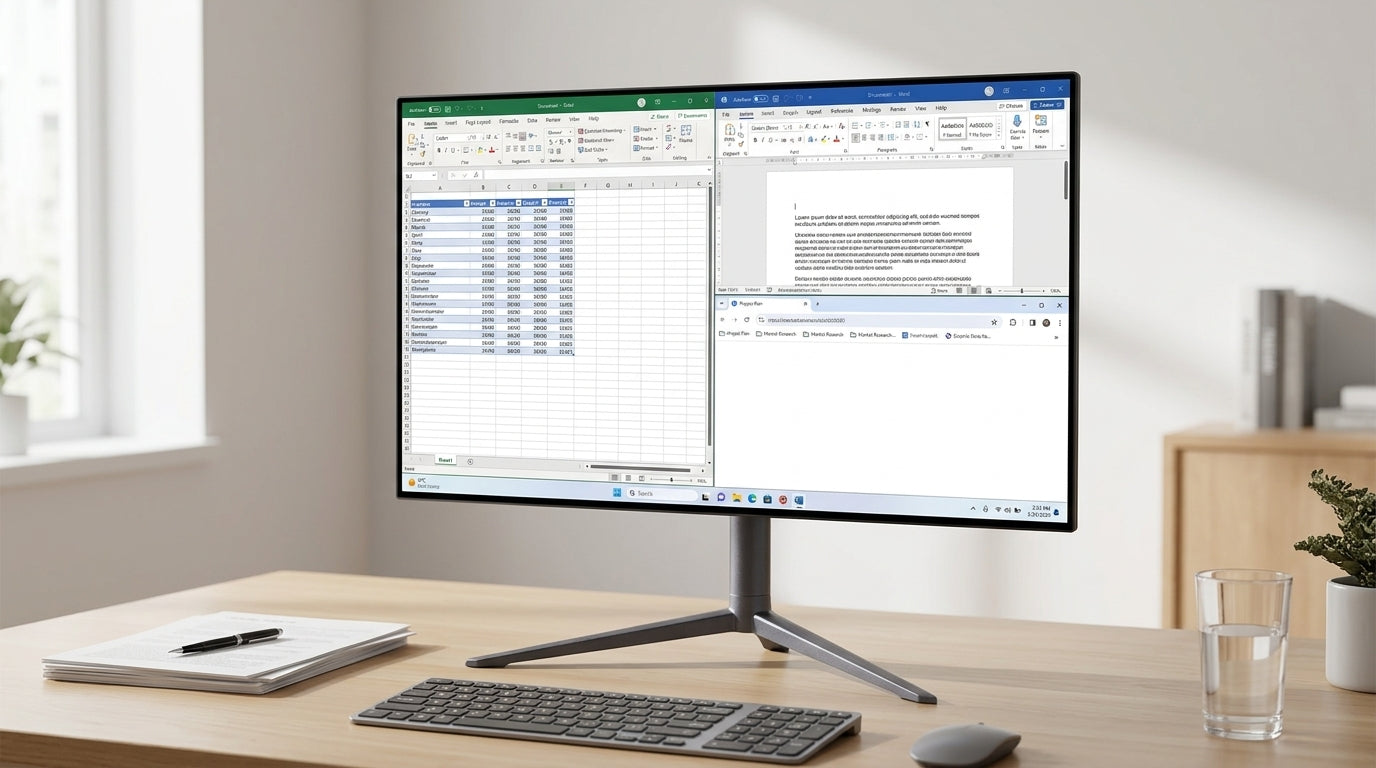
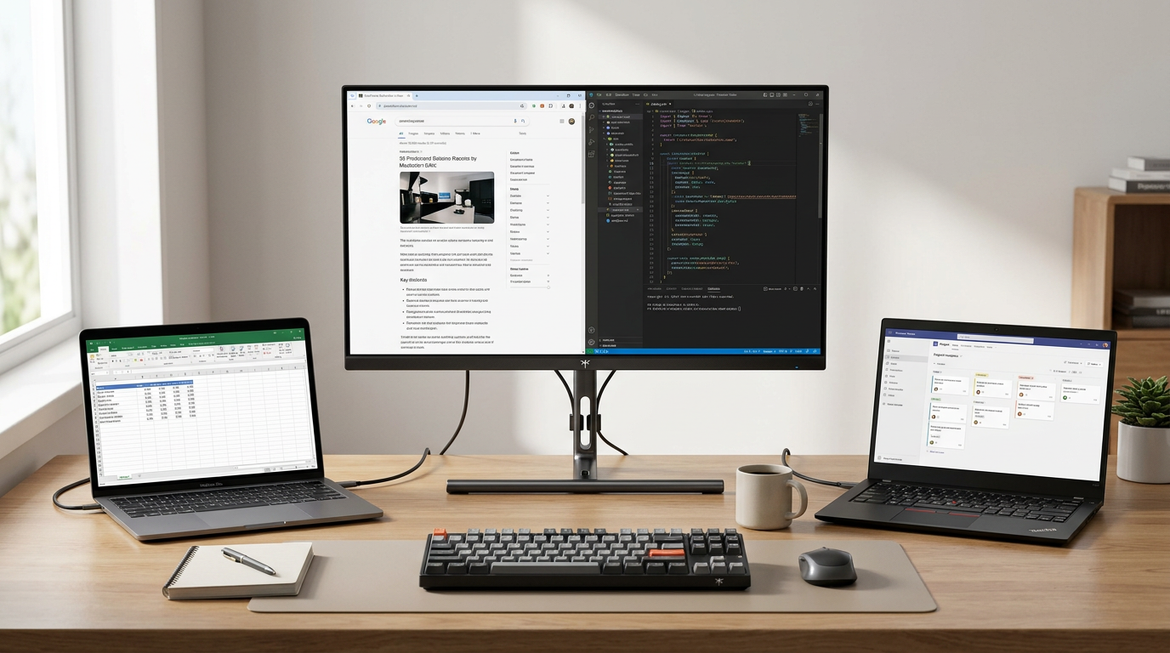
Rolling smart display healthcare education choices make sense when one shared screen has to move between rooms instead of sitting in one place. For clinics, that can mean quicker bedside education or triage intake. For schools, it can mean a screen that shifts between group lessons, station work, and different presenters without a permanent install.

Why Mobile Shared Screens Fit These Workflows
The main benefit is not entertainment, it is flexibility. A fixed display can work well in one room, but it becomes awkward when staff or teachers need the same screen only for part of a visit or lesson.
That is why a rolling smart display healthcare education setup is usually judged by movement, setup time, and shared-use convenience first. If the screen has to cross hallways, doorways, or classroom aisles, the buying question is simple: does it move cleanly, reconnect fast, and stay easy to use for short sessions?
For institutional buyers, that is a better filter than asking whether the display is "smart" in the consumer-TV sense. The workflow matters more. If you want a broader category view, the Mobile Touch Screen collection is the easiest browsing path.
What Healthcare Teams Need to Check
In clinics and hospitals, mobility only helps if the screen can actually be moved where the work happens. A rolling smart display healthcare education deployment is most useful when it can travel between patient rooms, triage points, and shared work areas without turning into a staff burden.

Mobility and Room-To-Room Use
A compact rolling unit is usually the safer first look when the display needs to move often. The KTC MEGAPAD 27" FHD Android 14 Google EDLA Smart Touch Monitor with 9500mAh Battery includes built-in wheels, a 27-inch touch display, and up to 6 hours of runtime, so it fits the kind of short, repeatable moves that clinics often ask for. That is a practical fit, not a universal one.
Touch Interaction and Patient Education
Touch helps when staff need to walk patients through diagrams, forms, or short follow-along explanations. The useful check is not whether touch exists, but whether it is easy to use in a brief visit without depending on a nearby desk or fixed PC.
Power, Battery, and Charging Setup
Battery planning is conditional. The right question is whether battery support covers your move pattern, not whether it replaces wall power all day. Even manufacturer guidance for mobile screens treats runtime as variable, because brightness, workload, and age all change the result. For that reason, battery should be treated as mobility support rather than a blanket operating promise.
Surface, Cleaning, and Privacy Checks
This is the part buyers often under-plan. Shared clinical use usually adds cleaning, stability, and privacy questions that a home setup never sees. The product pages here do not establish hospital-grade cleaning validation, so confirm your local cleaning workflow, mounting stability, and any privacy requirements before rollout.
If the site is organized by use case, the MegPad for 2026 Mobile Triage: Rolling Displays in Emergency Medicine article is a useful next read for triage-oriented planning.
What Classroom Teams Need to Check
In classrooms, the best rolling smart display is the one that resets quickly between lessons and works for different user heights. A rolling smart display healthcare education buyer and a school tech buyer often share the same question: can one screen serve multiple groups without slowing the day down.
Group Lessons and Station Rotations
Station rotation works best when shared equipment can be repositioned quickly. Station rotation supports varied pacing and small-group work when equipment can be repositioned quickly. In practice, that means the screen should be easy to roll, reconnect, and reset between groups.
Height and Orientation Adjustments
The larger the mixed-age classroom or training room, the more adjustability matters. Height and rotation help one screen work for standing demos, seated groups, and different presenter heights. That is why the KTC MEGAPAD 32" 4K Android 14 Google EDLA Smart Touch Monitor with 8550mAh Battery is the better fit when the room needs a larger touch surface plus adjustable height, tilt, and rotate.
App Access and Wired Sources
A practical classroom screen should handle both app-based use and a wired source from a laptop when needed. That matters because teachers do not always want to rebuild the lesson flow around a single connection method.
Shared Use Between Rooms
Shared use works best when the same display can move, reconnect, and reset with minimal downtime. If that sounds obvious, it is because it usually becomes the regret point after purchase. Buyers often focus on size first, then realize room layout and handoff speed matter more than the diagonal measurement.
Compare the Main Setup Trade-Offs
The best setup depends on whether your main constraint is mobility, viewing comfort, or adjustability. The table below compares the most common deployment priorities for a rolling smart display healthcare education purchase.
| Deployment Scenario | What Matters Most | Best Fit Direction | What To Verify Before Purchase |
|---|---|---|---|
| Bedside patient education | Quick movement, touch use, short sessions | Favor a compact rolling display with battery support | Check door width, hallway turns, and battery expectations |
| Triage support | Fast repositioning, easy cleanup workflow, short handoff time | Favor wheels and simple reconnect steps | Confirm power access and cleaning routine |
| Classroom hubs | Shared viewing, easy repositioning, mixed users | Favor a larger screen with better adjustment range | Check viewing distance and student height range |
| Training rooms | Presentation comfort, wired laptop input, flexible positioning | Favor a larger adjustable display | Confirm source-device compatibility and reset speed |
The Mobile Touch Screen collection is the broadest category page if you want to compare the family first, while the 27-inch and 32-inch MegPad pages are the clearest product-level examples of the trade-off.
Which Model Fits Each Setting
A rolling smart display healthcare education shortlist gets easier when you match the screen to the room, not the other way around.
- The 27-inch model is the clearer fit when room-to-room movement matters most. Its built-in wheels and battery-backed runtime make it easier to move through shared spaces, and that is the kind of feature set that matters in triage or bedside education.
- The 32-inch model is the stronger fit when the larger touch area matters more than compactness. It is better when classrooms, training rooms, or shared spaces need a bigger canvas and more adjustable positioning.
- The 25-inch model is the lighter, more portable option in the family. It can work as a mobile touch display, but it is better treated as a general-purpose portable choice than as the most institution-specific one.
If you want the model with the most direct fit for room-to-room workflows, start with the 27-inch MegPad. If the first priority is a bigger display area, the 32-inch option is the more natural direction.
Deployment Checklist Before Purchase
- Confirm the route first. Measure doors, hallway turns, aisles, and storage space before choosing size.
- Confirm the power plan. Decide whether the screen will rely on battery, wall power, or a mix of both.
- Confirm the interaction pattern. Check whether staff, teachers, or students need touch, wired input, or both.
- Confirm the adjustment range. Make sure height, tilt, and rotation match the people who will use it most.
- Confirm the support path. Review warranty, return terms, and procurement fallback before ordering.
For buyers who want a quick starting point, the KTC MEGAPAD 27" FHD Android 14 Google EDLA Smart Touch Monitor with 9500mAh Battery is the mobility-first option, while the KTC MEGAPAD 32" 4K Android 14 Google EDLA Smart Touch Monitor with 8550mAh Battery leans more toward a larger shared screen. Use the checklist above to decide which one actually fits your rooms.
Related Resources
- Defining the Smart Touch Monitor: Why Your Home Needs an All-in-One Hub
- The 2026 B2B Smart Display Playbook: Deploying Rolling Screens in Healthcare and Education
- portable smart display buying guide
FAQs
Q1. How Does a Rolling Smart Display Help in a Clinic or Classroom?
It lets one shared screen move to the room where it is needed instead of forcing every use case into a fixed wall install. That usually matters most when sessions are short, spaces are shared, or staff want faster setup between uses.
Q2. What Size Rolling Display Works Best for Shared Use?
The right size depends on room layout and viewing distance. Smaller models are easier to move and park, while larger models are easier to share with groups. If you expect mixed-height users or larger viewing circles, the bigger screen usually becomes the better fit.
Q3. Can a Battery-Powered Display Replace Wall Power All Day?
Not as a universal rule. Battery helps with mobility, but runtime changes with brightness, workload, and usage pattern. For procurement, it is safer to treat the battery as a flexibility feature and confirm whether the daily route still needs an outlet plan.
Q4. What Should Buyers Confirm Before Using One Across Multiple Rooms?
Check the movement path, power access, cleaning routine, stability, and source-device compatibility. Those are the parts most likely to cause delays after delivery. If any one of them is weak, the display may be a poor fit even if the screen spec looks strong.
Q5. Why Does Adjustable Height and Rotation Matter?
It helps one display work for different user heights and different room setups. That matters in classrooms with mixed ages and in clinics where seated and standing interactions happen in the same day. Adjustability is a workflow feature, not just a spec.
The Practical Choice Comes Down to Workflow
The right rolling smart display healthcare education setup is the one that fits your rooms, your power plan, and your users' height range. If movement is the main job, prioritize wheels and battery-backed flexibility. If shared viewing is the main job, prioritize size and adjustment range. That is the quickest way to avoid buying a screen that looks versatile but slows the room down.
| Scenario | Mobility | Touch-first use | Adjustability |
|---|---|---|---|
| Bedside patient education | High | High | Medium |
| Triage support | High | Medium | Medium |
| Classroom hubs | Medium | Medium | High |
| Training rooms | Low | Low | High |