

Some console games trigger Limited RGB because the console, monitor, or HDMI handshake treats the display like a TV-style video device instead of a PC monitor. The fix is to make the console and monitor use the same RGB range, then verify black levels in-game.
What Limited RGB Actually Does
RGB range controls how black, white, and brightness steps are mapped over HDMI. Full RGB uses 0-255 levels, while Limited RGB uses the narrower 16-235 video range, so a mismatch can make blacks look gray or crush shadow detail.
On a gaming monitor, the wrong range is easy to spot. If the console outputs Limited but the monitor expects Full, the image looks faded. If the console outputs Full but the monitor expects Limited, dark scenes lose detail and bright areas may clip.

This is not the same as color gamut, HDR, or contrast ratio. Contrast still matters because stronger black-to-white separation improves perceived depth, especially in dark scenes where subtle shadow details affect gameplay visibility.
Why Consoles Switch to Limited
Console HDMI output is designed to work with both TVs and monitors. TVs, disc playback, and video apps often lean toward Limited RGB, while PC monitors usually expect Full RGB.
Automatic detection can fail. A real-world PC example shows an HDMI display being treated differently from a DVI display, with washed-out color following the HDMI connection rather than the monitor itself; the suspected cause was limited RGB range.
Games can also behave differently from dashboards or streaming apps. A console may use one output behavior for HDR video, another for SDR games, and another after a resolution or refresh-rate change.
If your monitor’s “Auto” setting works correctly, it can be fine, but manual matching is more reliable when a game suddenly looks wrong.
How to Fix It on a Gaming Monitor
Start by matching the signal chain. The console and monitor should agree: Full-to-Full for most gaming monitors, or Limited-to-Limited if your display handles video range better.
Follow these steps:
- Set the console RGB range to Full if you use a monitor.
- Set the monitor HDMI black level to Full, Normal, or High.
- Disable “Auto” temporarily if the image keeps changing.
- Recheck after enabling HDR, 120 Hz, or VRR.
- Use an in-game black-level screen to confirm shadow detail.


If blacks are gray, try Full on both ends. If caves, night scenes, or dark UI panels lose detail, try Limited on both ends. Do not mix them unless your monitor labels are reversed, which some displays do.
For PC-style monitor use, forum guidance generally favors Full RGB when the display supports it, because Limited can reduce contrast on a monitor expecting the full signal range.
Monitor Settings That Matter After the Fix
RGB range is only the first layer. After matching it, tune brightness, black equalizer, gamma, local dimming, and HDR mode. A bad gamma preset can mimic an RGB-range problem.
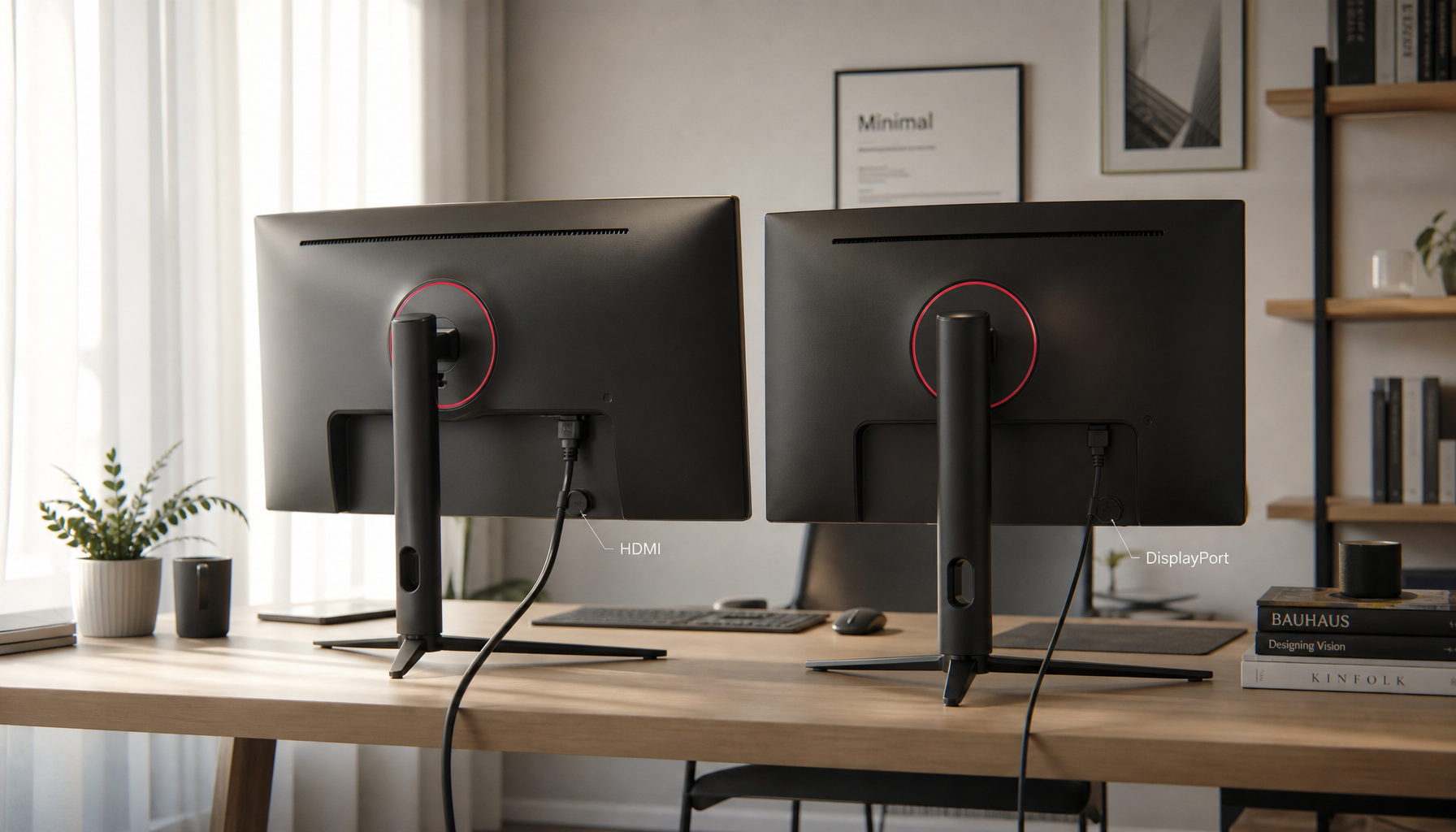
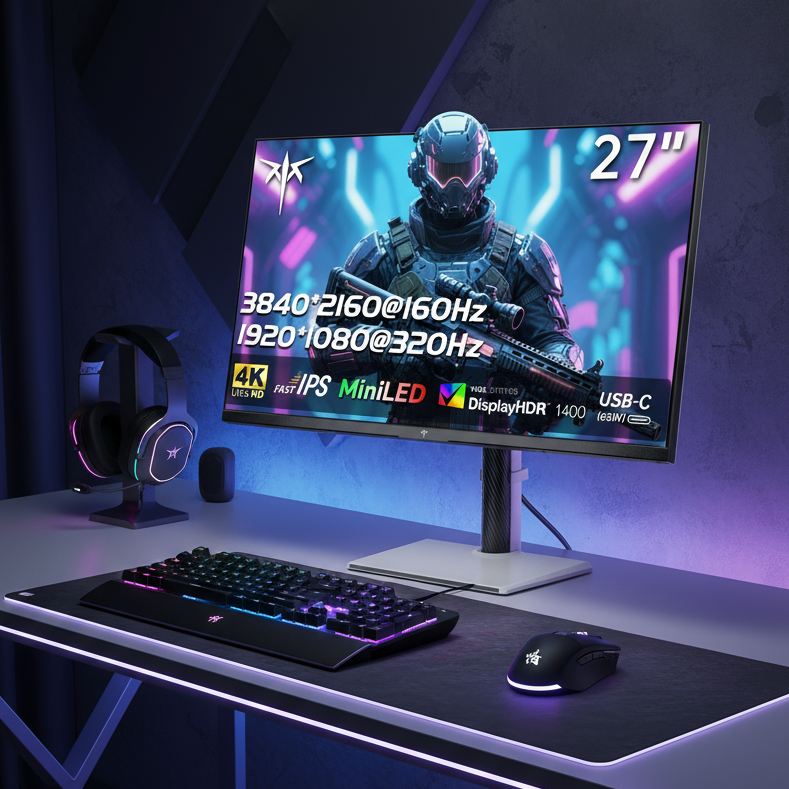
Resolution and ports matter too. Modern consoles are built around 4K output, and 4K has more than twice the pixels of 1440p, so a good HDMI 2.1 monitor can deliver sharper console gaming when the rest of the chain supports it; modern consoles generally favor 4K displays.

For a reliable console monitor, prioritize HDMI 2.1, 4K 120 Hz support, VRR, low input lag, and useful on-screen display controls. Monitor roundups also emphasize features like 120 Hz console support because compatibility is what keeps performance and image quality aligned.
Final Check
The best setting is not “Full” or “Limited” in isolation. It is a matched output path.
For most console-to-gaming-monitor setups, choose Full RGB on the console and the monitor. If the picture looks worse, switch both to Limited, retest black detail, and keep the setting that preserves deep blacks without hiding shadow information.