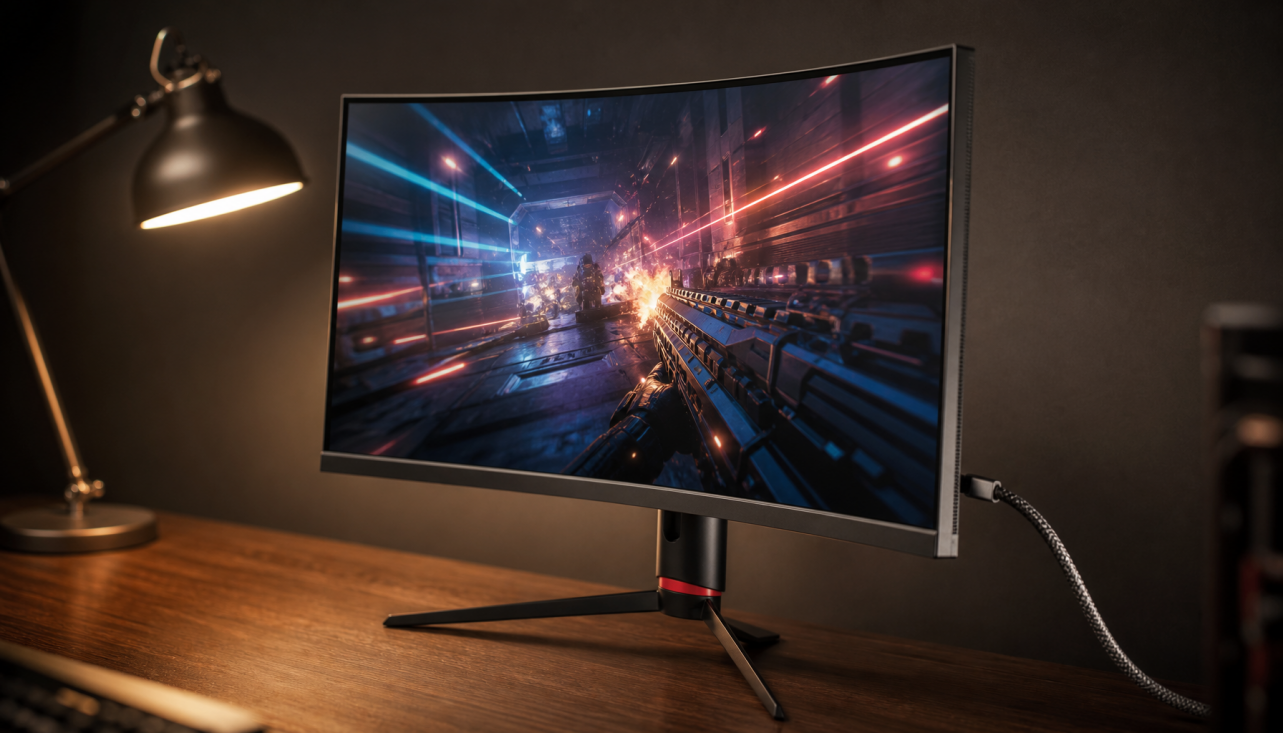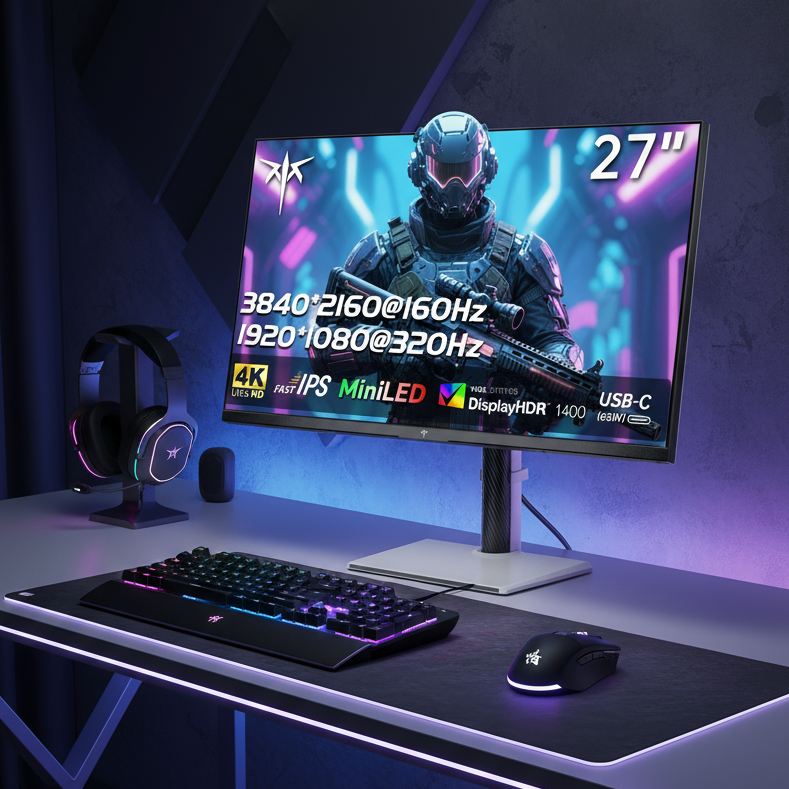
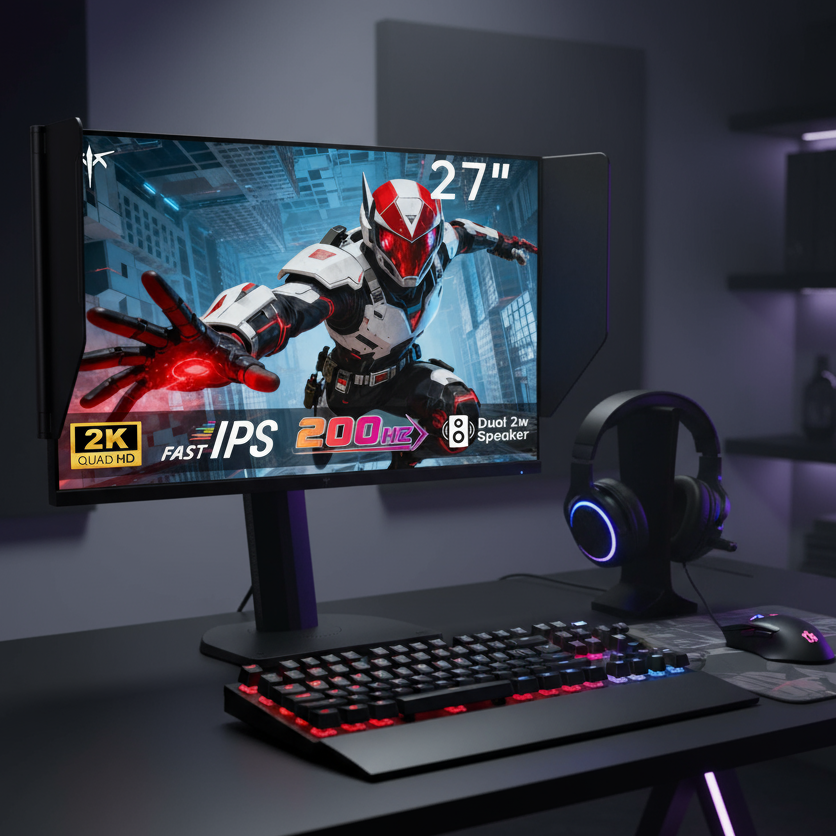
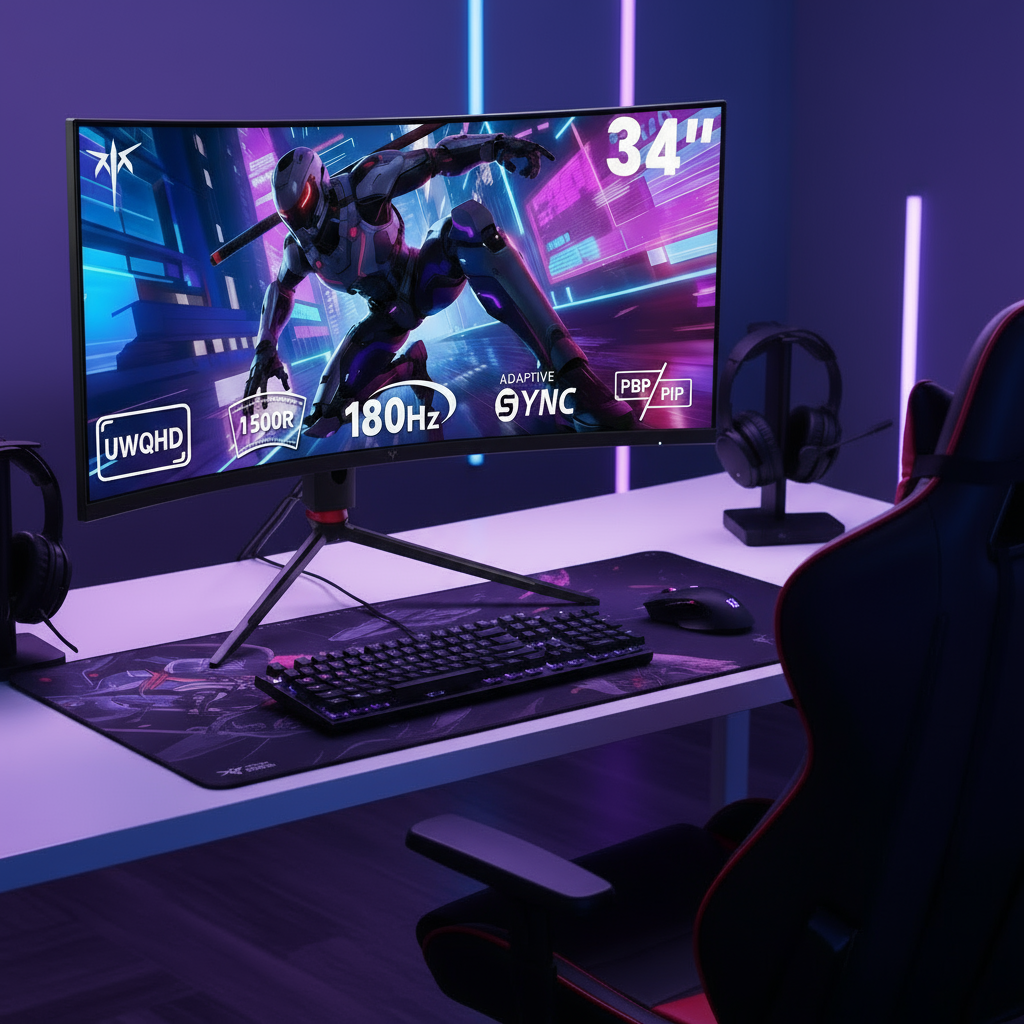


Daisy-chaining monitors can clean up your desk and free laptop ports, but performance depends on bandwidth, refresh rate, resolution, GPU support, and operating system behavior. It works best for predictable productivity setups, not every high-refresh gaming rig or mixed-display workstation.
What Daisy-Chaining Actually Changes
A daisy chain sends one display connection from your PC to the first monitor, then passes the signal onward to the next screen. For true extended desktops, that usually means DisplayPort MST, USB-C with DisplayPort Alt Mode, or Thunderbolt, not plain HDMI.
The upside is obvious: fewer cables, fewer occupied ports, and a cleaner workstation. A DisplayPort setup can often run multiple screens from one output when the monitors and GPU support DisplayPort MST.

The trade-off is that every monitor in the chain shares the same upstream bandwidth. Add more pixels or higher refresh rates, and the chain has less room to breathe.
The Performance Hit: Bandwidth, Refresh Rate, and Latency
For office work, coding, spreadsheets, dashboards, and research, daisy-chaining usually feels responsive if the chain stays within spec. Dual 1080p or dual 1440p productivity displays are often realistic on modern DisplayPort or Thunderbolt hardware.
The pressure rises fast with 4K and high refresh rates. Two 4K monitors at 60Hz can already consume serious bandwidth; pushing 144Hz gaming, HDR, or multiple high-resolution panels may force the system to lower refresh rate, color depth, or resolution.
For gaming, the issue is not that daisy-chaining automatically adds lag in a simple way. The bigger risk is losing the full performance profile you paid for: 144Hz, 240Hz, adaptive sync, HDR, or clean frame pacing. Competitive displays prioritize refresh rate and response time, and gaming-focused setups often target 144Hz or higher.
A quick reality check: if one monitor is your main 4K gaming panel and the second is just for chat, streaming software, or a browser, direct GPU connections are usually the cleaner performance choice.
When Daisy-Chaining Makes Sense
Daisy-chaining shines when your goal is a reliable, low-clutter workspace. Think finance dashboards, development environments, remote workstations, shared office desks, and dual-monitor productivity setups.
It is especially useful when your laptop has limited ports. A USB-C or Thunderbolt monitor can carry video, data, and charging through one cable, while the monitor handles the downstream display connection. Some docking monitors also add Ethernet, USB ports, webcam support, and power delivery, reducing desk sprawl even further.
Strong use cases include dual 1080p or 1440p office displays, matched monitors from the same series, coding setups with one landscape and one portrait screen, hybrid work desks that need quick laptop docking, and monitor-first setups with minimal USB accessory load.

Multiple displays can improve productivity because related windows stay visible together, reducing tab switching and context loss; this is the core benefit behind many multi-monitor workflows.
When to Avoid Daisy-Chaining
Avoid daisy-chaining when performance or reliability matters more than cable simplicity. High-refresh gaming, mixed-monitor chains, dual 4K-plus setups, and daily dock-undock routines are all higher-risk.
HDMI-only setups are another warning sign. HDMI does not natively support true monitor daisy-chaining, so HDMI splitters often mirror the same image instead of creating independent extended displays. If you need independent screens, DisplayPort, USB-C DisplayPort Alt Mode, or Thunderbolt is the stronger path; HDMI setups often need a hub or dock to approximate the behavior.
Be cautious if your operating system has limited DisplayPort MST support for extended desktops. Some chains may mirror screens or fail even when the same hardware works elsewhere.
A practical rule: if you need maximum refresh rate, reliable wake-from-sleep behavior, color-critical consistency, or independent troubleshooting, use direct GPU outputs or a quality Thunderbolt dock instead.
Buyer’s Checklist Before You Chain
Before buying monitors, confirm the full path: laptop or GPU, cable, first monitor, second monitor, and operating system. One weak link can drop the whole setup.
Check these first:
- First monitor has DisplayPort Out, Thunderbolt Out, or supported USB-C chaining
- GPU supports MST and the number of displays you want
- Total resolution and refresh rate fit the connection bandwidth
- MST or daisy-chain mode is enabled in the monitor menu
- Cables are rated for the DisplayPort, USB-C, or Thunderbolt version used

For most users, daisy-chaining is a value-smart productivity upgrade. For performance-first gaming and mission-critical professional displays, direct connections are still the higher-confidence route.