


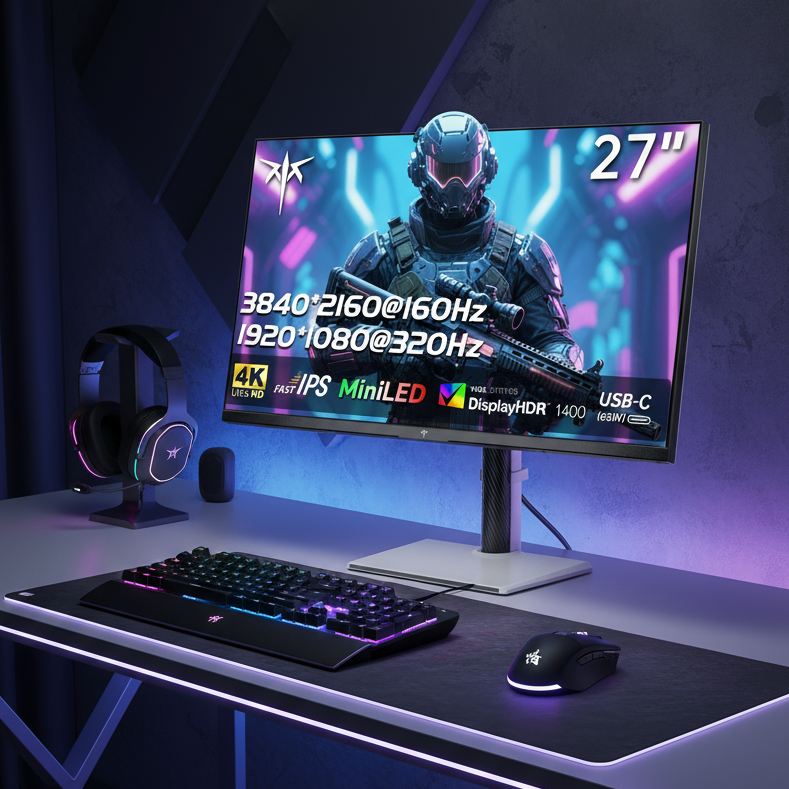
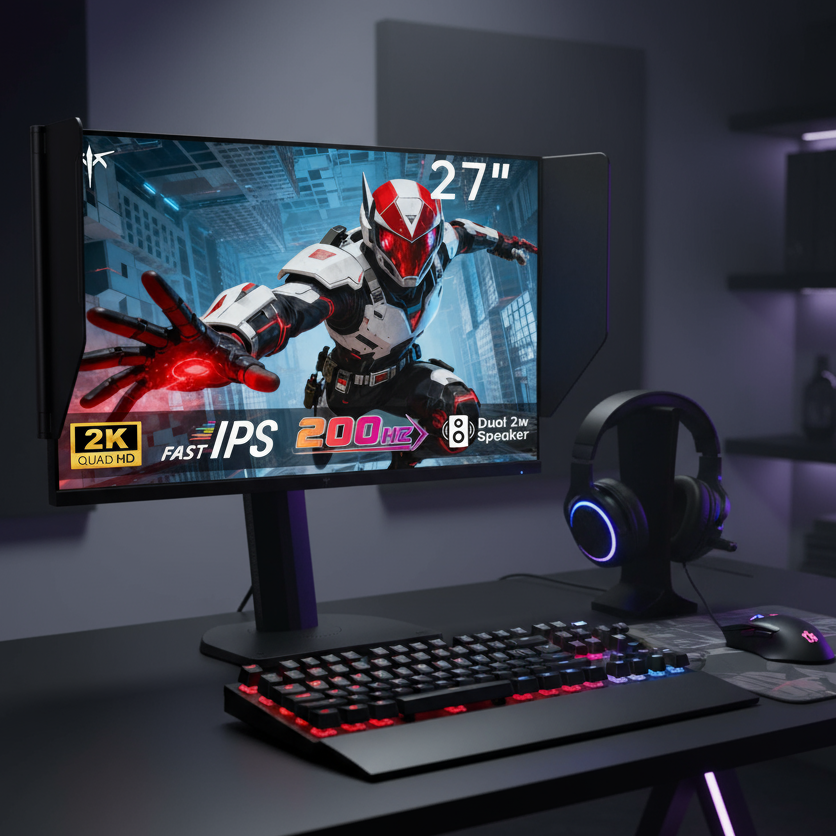
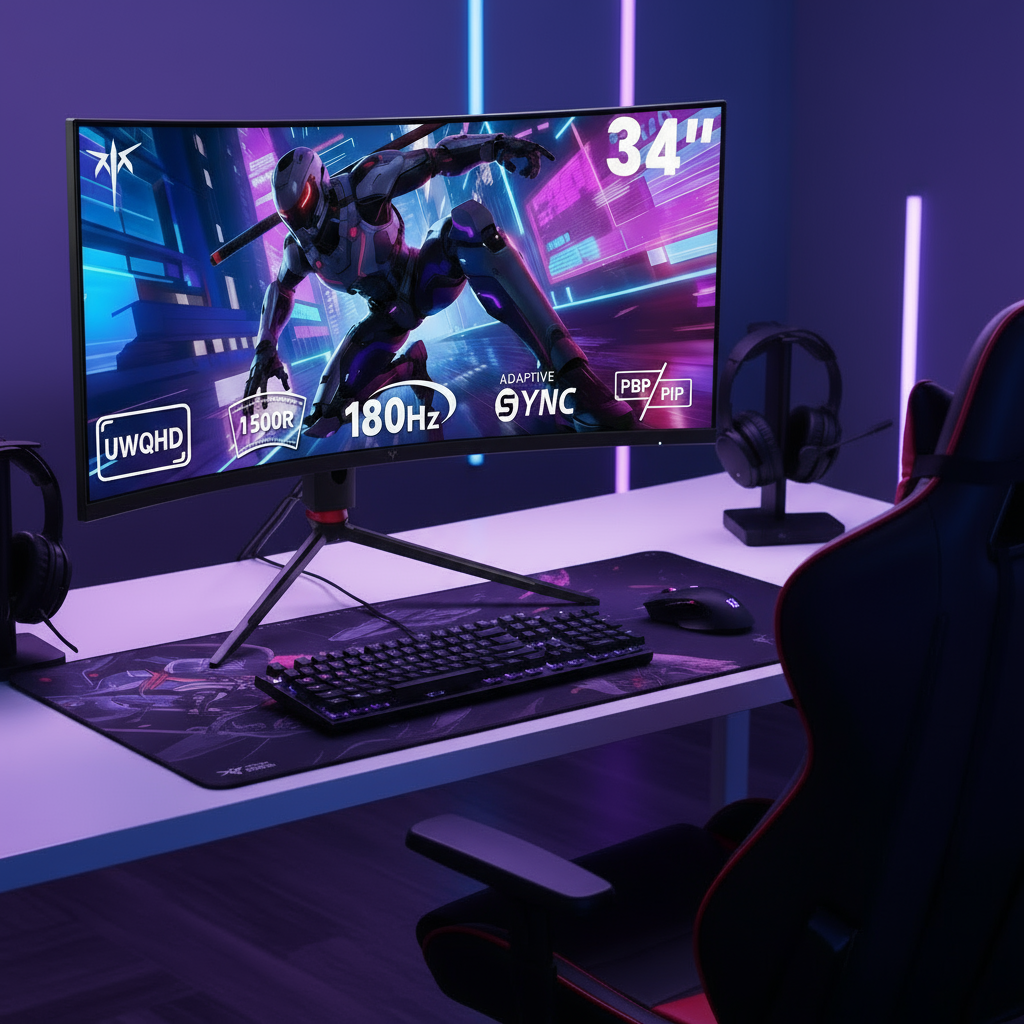




OLED can look spectacular in games, HDR video, and dark UI work, but desktop text can look softer because many OLED panels do not use the RGB stripe layout common text renderers expect. The fix is not one magic setting: it is a mix of panel choice, pixel density, scaling, and realistic expectations.
Why Desktop Text Can Look Different on OLED
Subpixel text rendering was built around a familiar LCD structure: red, green, and blue subpixels lined up in a predictable vertical stripe. Many OLED monitors use WRGB, RWBG, RGWB, or triangular layouts instead, so the renderer may sharpen the wrong color edges.
That mismatch is why small fonts can show magenta, green, blue, or shadow-like outlines. The issue is most visible on black text over white backgrounds, spreadsheet gridlines, browser tabs, file names, and code editors in light themes.

This does not mean OLED is blurry by default. It means text clarity depends on how well the panel’s physical subpixel geometry aligns with desktop rendering assumptions, a limitation users have also raised in a text rendering request.
QD-OLED vs WOLED: The Layout Matters
QD-OLED panels often use triangular RGB subpixels, while many WOLED panels add a white subpixel and arrange colors in nonstandard orders. Both can produce fringing, but the character of the artifact differs.
QD-OLED fringing is often a fine color edge around high-contrast text. WOLED can show more shadow-like displacement or uneven boldness, especially when subpixel smoothing is disabled. Testing groups note that OLED text fringing is tied to these alternative subpixel layouts, not just the OLED label itself.

Newer OLED generations are improving. Squarer QD-OLED layouts, updated WOLED structures, and higher-density 4K panels reduce the visibility of artifacts. Still, a 27-inch 1440p OLED near 109 PPI is a tougher text monitor than a 27-inch 4K OLED near 163 PPI.
Pixel Density Is the Practical Advantage
For desktop productivity, PPI is the most reliable shortcut. Higher pixel density makes each fringe smaller, so your eyes are less likely to separate the color edges.
Below 120 PPI, fringing is easier to notice. From 120 to 150 PPI, clarity is acceptable for many hybrid users. Above 150 PPI, text-heavy work looks much cleaner, which is why 4K at 27 or 32 inches is usually the stronger OLED choice for mixed use.
Many buyers worried about desktop clarity should prioritize high-density OLEDs instead of chasing refresh rate alone. A 500 Hz 1440p OLED can be outstanding for esports, but a 4K 240 Hz OLED is usually the more balanced pick for gaming plus office work. OLED buying recommendations increasingly point to 4K models for sharper text as well as higher image detail.
Settings That Help on Desktop
Start with the basics before installing third-party renderers. Run the monitor at native resolution, confirm RGB or 4:4:4 chroma output, and avoid GPU scaling modes that soften the desktop.
Then tune the system:
- Run the built-in text tuner and choose the sharpest sample.
- Try 125% or 150% scaling on 4K screens.
- Use dark mode in text-heavy apps when comfortable.
- Test a third-party text renderer if built-in smoothing disappoints.
- Keep each monitor tuned separately in mixed-display setups.
Subpixel smoothing may help, hurt, or do very little depending on the OLED layout and the app. Some users report better results with third-party renderers on QD-OLED, but app compatibility is uneven, and settings that improve one monitor can degrade another.
Screenshots often exaggerate fringing because camera sensors and close-up crops reveal artifacts more strongly than normal desk viewing.
Who Should Buy OLED for Desktop Work?
Choose OLED if your day mixes gaming, media, creative visuals, dark-mode apps, and moderate productivity. The payoff is huge: instant pixel response, deep blacks, excellent contrast, and immersive HDR.
Be more cautious if your workday is mostly spreadsheets, documents, PDFs, coding, email, and browser reading in light mode. For that use, an IPS or Mini-LED LCD with standard RGB subpixels remains the predictable value pick, especially for all-day text comfort.

The sweet spot is a high-PPI modern OLED. If you want one screen that can win in competitive play, make HDR games feel cinematic, and still hold up on desktop text, prioritize 4K density first, panel generation second, and peak refresh rate third.


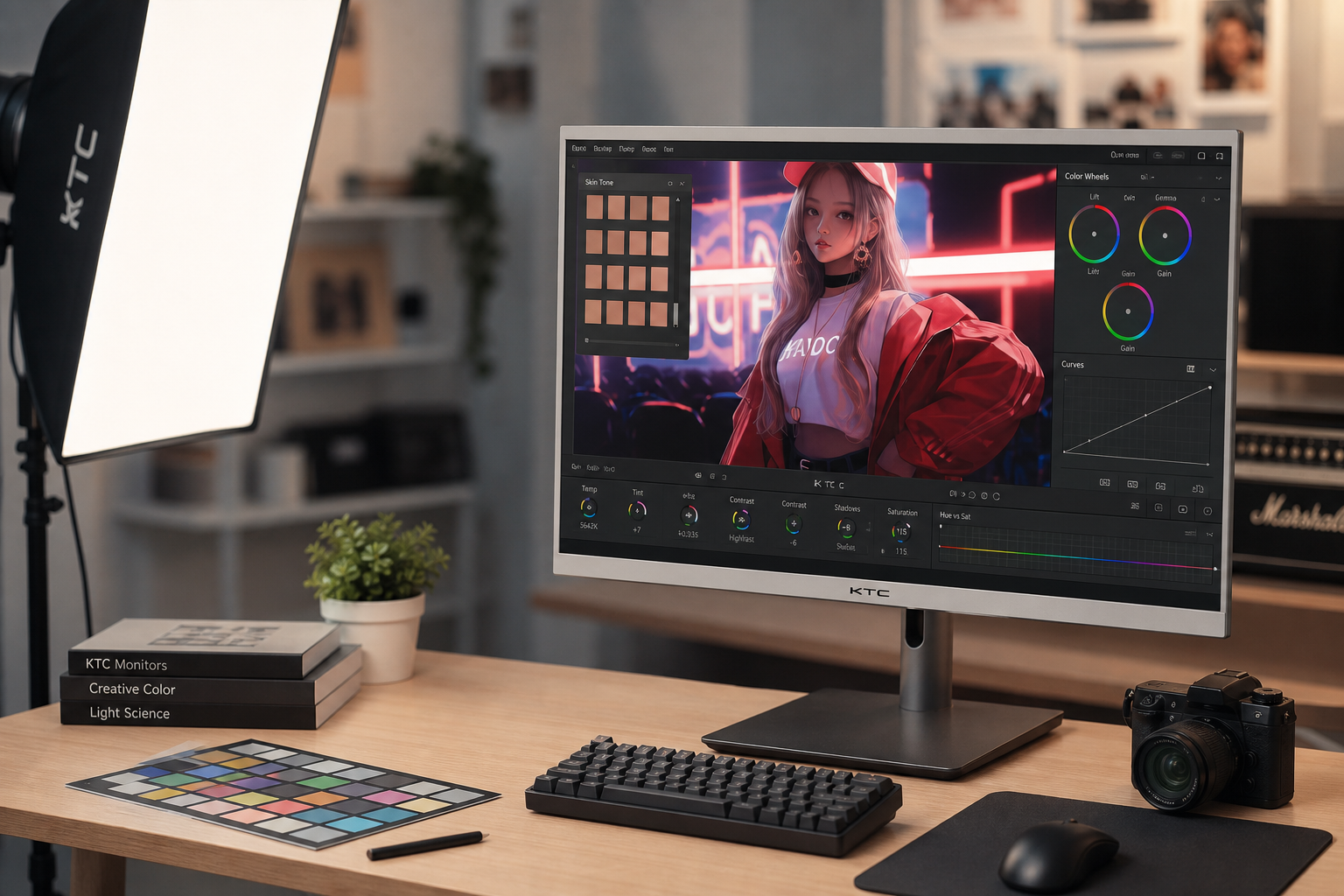
%20is%20the%20best%20fix%20for%20desktop%20sharpness.
)