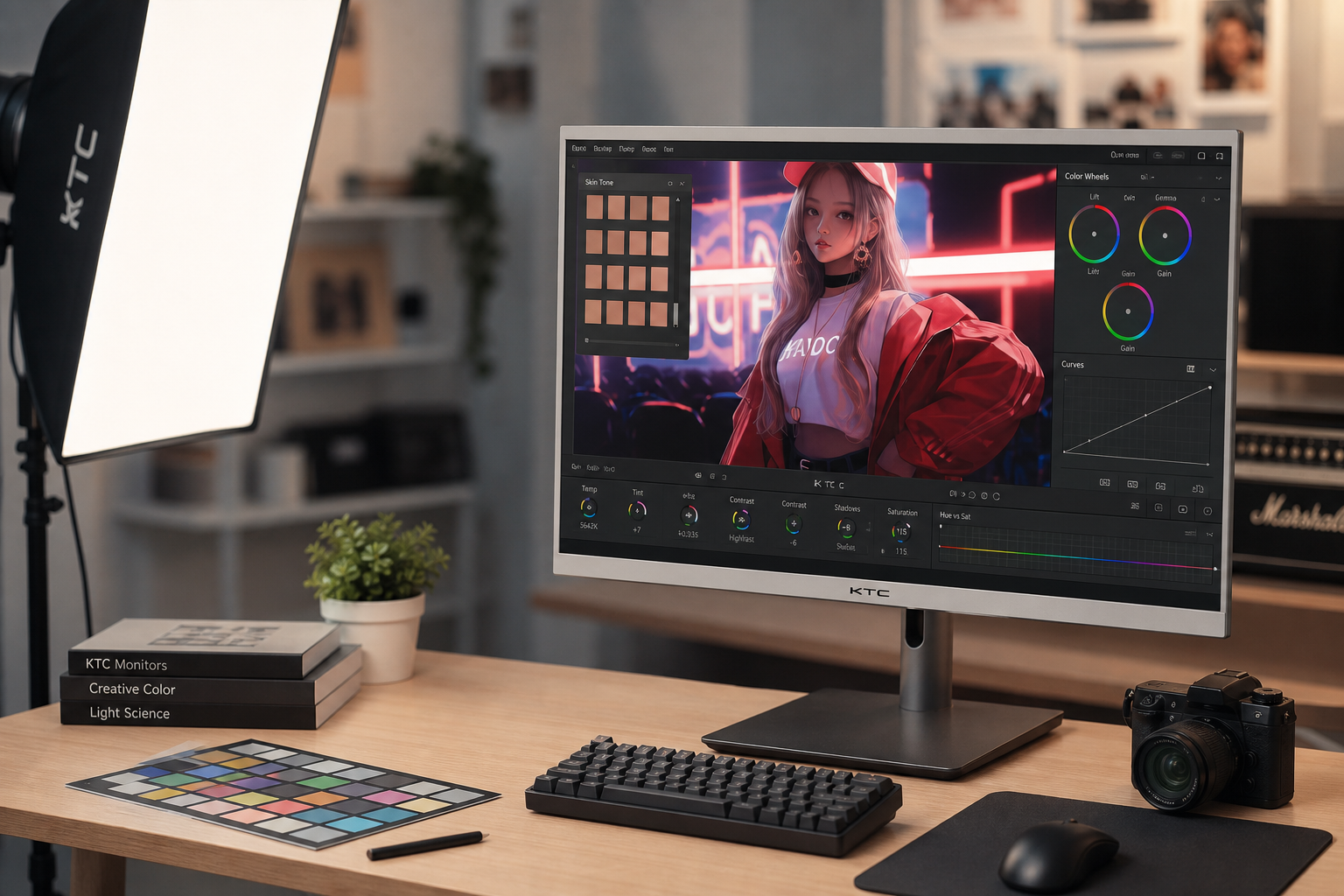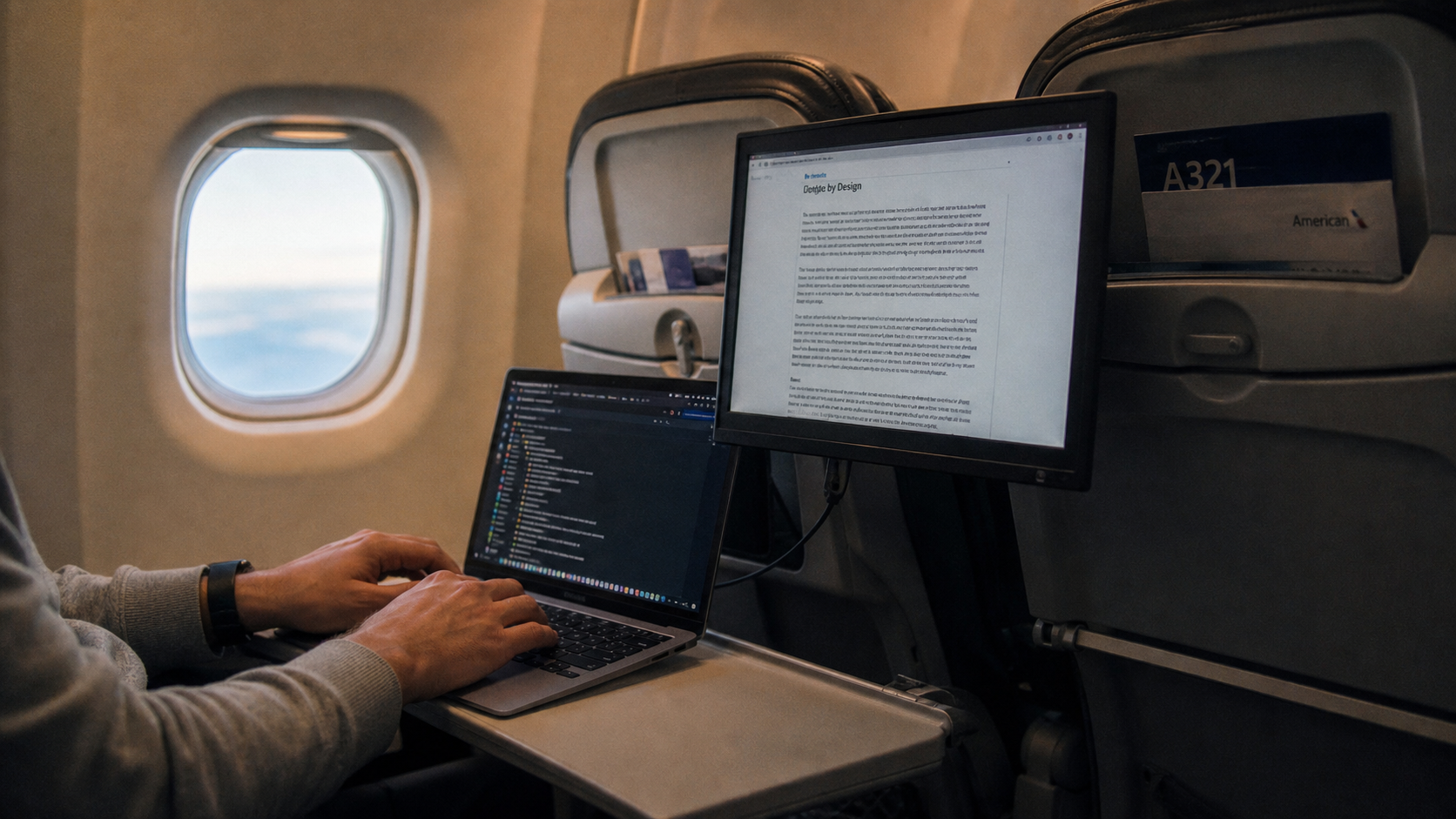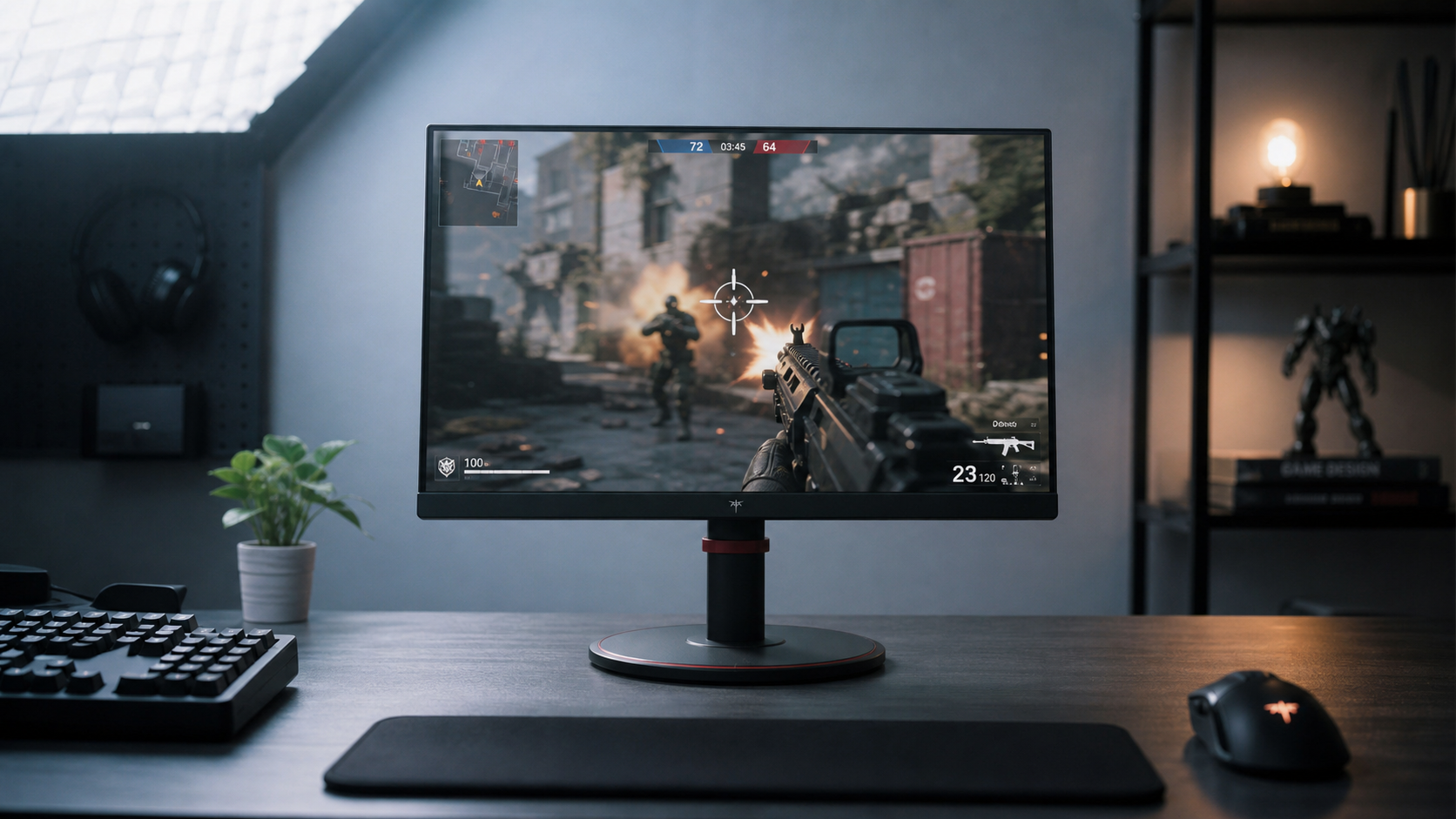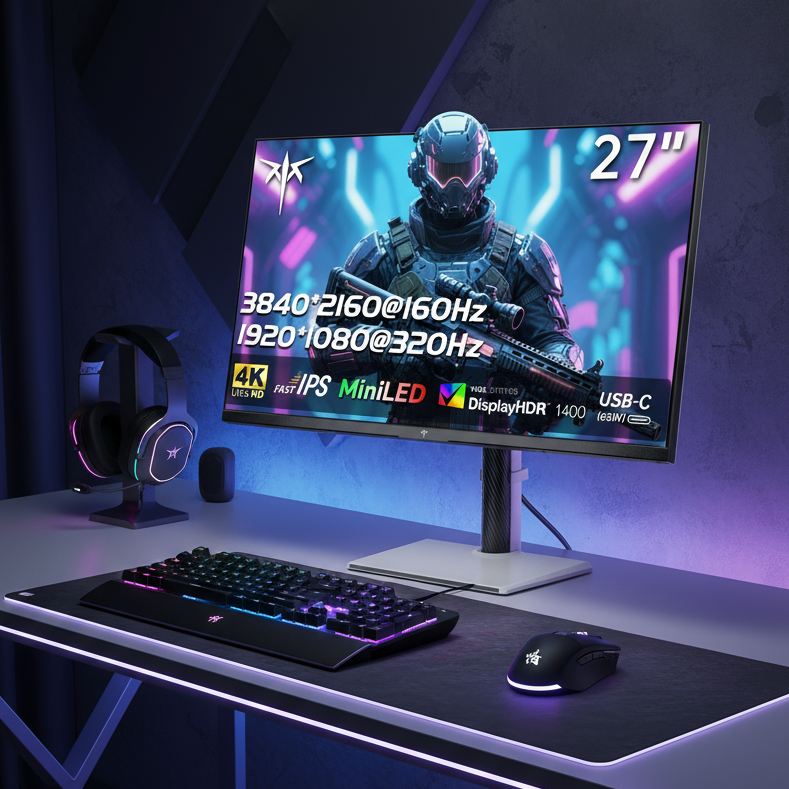




Local dimming creates uneven brightness because each monitor’s backlight zones, panel contrast, firmware, and HDR tone mapping react differently to the same image. In a multi-monitor setup, those differences become obvious when one screen lifts shadows, blooms around bright objects, or dims desktop areas more aggressively than the others.
Local Dimming Is Zone-Based, Not Pixel-Perfect
Most Mini-LED and LED LCD monitors do not control every pixel’s light output. They divide the backlight into zones, then brighten or dim those zones based on what is on screen.
That is why a white cursor, subtitle, window edge, or game HUD can brighten a whole patch of nearby dark pixels. This artifact is usually called blooming or haloing, and it happens because bright regions stay illuminated while nearby darker areas are only approximated by larger backlight zones.

On a single monitor, this may look like stronger HDR contrast. Across two or three monitors, it can look like one display has muddy blacks, glowing corners, or a brighter center, even with the same brightness setting.
Same Model, Different Behavior
Two monitors with the same model name can still behave differently. Panel batches, LED suppliers, diffuser layers, firmware revisions, and factory calibration can all shift brightness uniformity.
This matters more with local dimming because the monitor is not showing a static backlight level. It is constantly interpreting the image, deciding which zones to boost, which zones to suppress, and how quickly to transition between them.
A newer unit may have cleaner whites but stronger blooming. An older unit may have warmer color, weaker peak brightness, or more visible backlight bleed. In productivity setups, that mismatch shows up as uneven spreadsheet backgrounds, inconsistent browser whites, or one monitor making dark UI themes look gray.

HDR Makes the Difference More Visible
HDR pushes monitors harder. Bright highlights, darker shadows, and wider luminance swings expose differences in zone count, panel contrast, and dimming logic.
A Mini-LED display can use hundreds or thousands of zones, and better zone density usually reduces halo size. But zone count is not the whole story. Algorithms also decide how much shadow detail to preserve, how fast zones react, and whether highlights should stay punchy or be toned down.
Research on Mini-LED LCDs shows that local dimming depends on image partitioning, backlight spread simulation, and pixel compensation, not just hardware brightness. A 55-inch 4K prototype with 2,304 partitions reached very high measured contrast using an optimized algorithm for HDR liquid crystal displays.
A monitor with fewer zones but smarter processing can sometimes look more balanced than a higher-zone monitor with aggressive dimming.
Office Work Needs Different Settings Than Gaming
For gaming and movies, local dimming can be a major upgrade. Explosions, neon signs, stars, and dark corridors gain depth because the display can brighten highlights while suppressing dark regions.

For office work, the same behavior can be distracting. White text on a dark editor, a floating mouse pointer, or a bright app window can trigger local brightness shifts that make side-by-side monitors look uneven.
Some Mini-LED setup advice reflects this split: for SDR desktop use, it recommends turning local dimming off for more consistent panel brightness, while HDR use benefits from turning it on for stronger contrast.
A practical setup usually looks like this:
- SDR desktop work: local dimming off or low
- HDR gaming: local dimming on or medium/high
- Dark games: reduce aggressive dimming if shadow detail disappears
- Mixed monitors: match SDR brightness first, then tune HDR separately
How to Reduce Uneven Brightness Across Monitors
Start by separating brightness matching from HDR tuning. Set all monitors to SDR, disable local dimming, and match white pages, gray backgrounds, and dark UI panels by eye.
Then enable HDR and local dimming only on the monitor where you actually need it. For many desks, that means the center gaming display gets Mini-LED contrast, while side monitors stay in stable SDR mode for chat, browsers, tools, or reference windows.

Also match room lighting. Display brightness should rise or fall with ambient light, because glare and daylight can change perceived contrast more than a small on-screen display adjustment. For color-sensitive work, controlled lighting is better than simply raising luminance; ambient light around the screen should stay limited relative to the monitor’s white point luminance.
The best multi-monitor result is not always identical settings. It is workload-based consistency: stable brightness for productivity, aggressive local dimming for immersive HDR, and fewer unnecessary brightness jumps between screens.