Your laptop is not forgetting the monitor. Most often, the USB-C video, power, and data handshake fails to wake cleanly after sleep, and unplugging the cable forces a fresh connection negotiation.
USB-C Carries More Than One Signal
USB-C looks simple, but the connector can carry different combinations of video, charging, data, Ethernet, and peripherals. A USB-C monitor setup may send video while also powering the laptop and running a keyboard, mouse, webcam, or storage through the display hub.
That convenience depends on every part waking in the right order. The laptop port, cable, monitor controller, USB hub, and display path all need to renegotiate correctly. If one layer resumes late or only partially wakes, the screen can stay black even though the laptop is running.
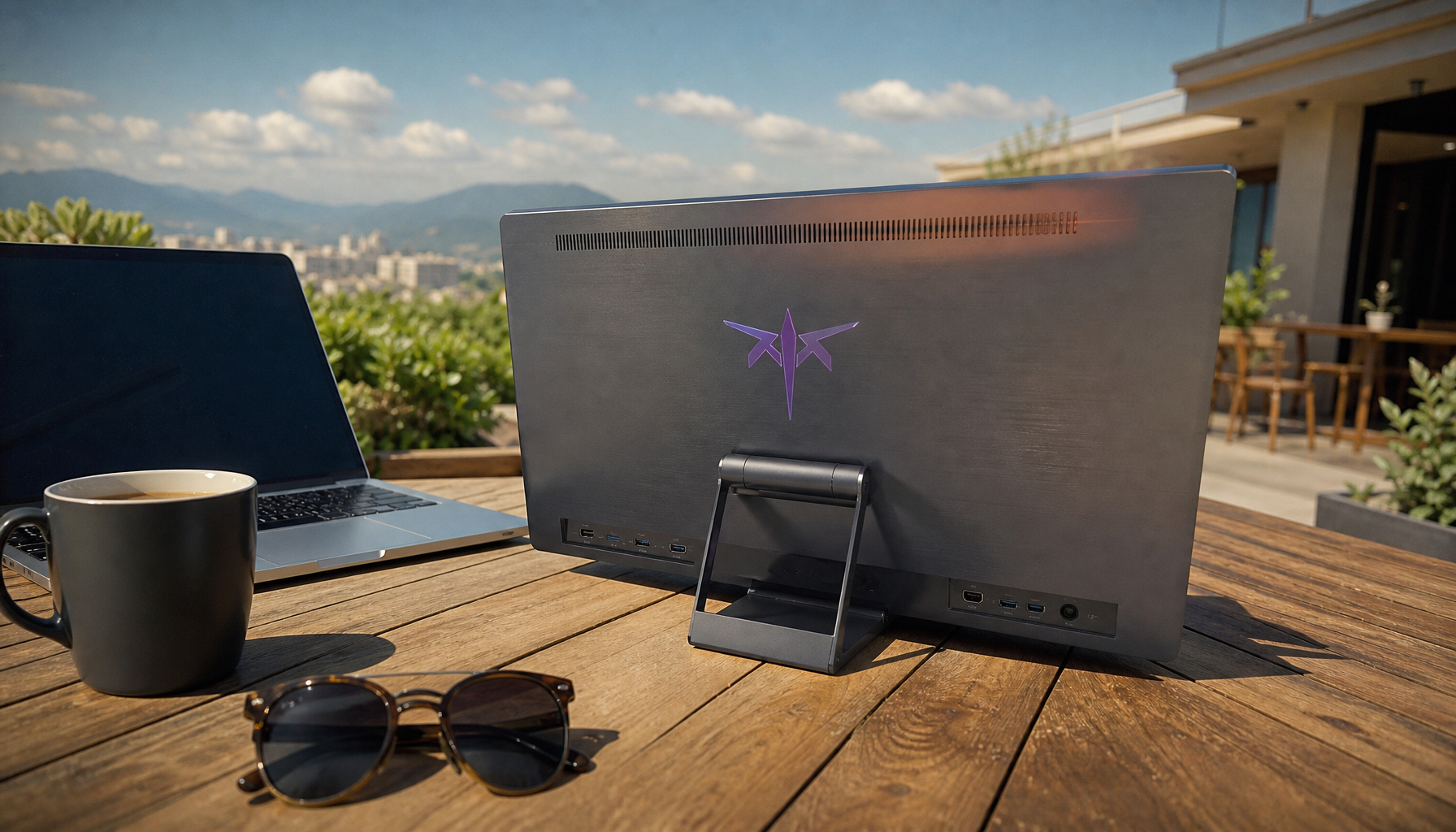
This is why the correct docking port matters. Some monitors support full laptop docking only from a specific rear USB-C port, while front USB-C ports may be for accessories only, as shown in a specific rear USB-C port.

Sleep Can Break the Display Handshake
When your laptop sleeps, it reduces power to internal controllers and connected devices. On wake, the monitor expects a valid video signal, the laptop expects a responsive display, and the cable must carry the right mode again.
If that wake sequence fails, the monitor may show “No Signal,” stay black, or wake only after you reseat the cable. Community reports around external monitor wake problems often point to power-saving behavior, especially when USB autosuspend or aggressive device sleep is involved.
The same behavior can appear as a USB-C display that refuses to wake after system sleep. Some users avoid the issue by using screen lock or display-off timers instead of full sleep, a pattern discussed in a USB-C display that refuses to wake.
The symptom can look identical across Windows, macOS, and Linux, but the fix may differ because each system handles USB power states differently.
The Cable Can Be the Bottleneck
A USB-C cable is not automatically a display cable. Some USB-C cables are built mainly for charging, some support basic data, and others support high-bandwidth video or USB4.
For monitor use, the cable must support the laptop’s display mode and the monitor’s bandwidth needs. A 4K productivity panel, high-refresh gaming monitor, or USB-C docking display puts more stress on the link than a basic accessory cable.

For reliable video, the laptop USB-C port generally needs DisplayPort Alt Mode or an equivalent high-bandwidth display feature, and not every USB-C port includes that capability, as explained in this USB-C port capability. If your cable or port falls short, replugging may work temporarily because it restarts negotiation, but it does not remove the weak link.
Quick Fixes That Improve Reliability
Start with the highest-impact checks before changing your full desk setup.
- Use the monitor’s rear USB-C docking port, not a front accessory port.
- Replace the cable with a full-featured USB-C or USB4-rated cable.
- Update graphics, chipset, USB controller, and monitor firmware where available.
- Disable USB power-saving for hubs or docks if your OS allows it.
- Clean the USB-C port gently if the cable feels loose or intermittent.
Dust and lint can also weaken contact, especially on laptops that travel in bags. If insertion feels gritty or unstable, safe USB-C port cleaning can restore a firmer physical connection.

When to Change the Setup
If the problem keeps returning, treat it as a system design issue, not a daily ritual. A performance-focused setup should wake predictably, charge consistently, and preserve your display layout without cable gymnastics.
For office productivity, choose a USB-C monitor or dock with enough Power Delivery for your laptop. Many ultrabooks are comfortable around 65 W, while larger performance laptops may need 90 W to 100 W, and a strong USB-C monitor setup should match power, video, and hub demands.
For portable smart screens, confirm that the host device supports both power and video over USB-C. Otherwise, HDMI plus separate power may be less elegant, but more reliable for older laptops, consoles, and travel setups.